
Perkins 4-Cylinder Diesel Engine Manual Overview
Perkins 4‑Cylinder Diesel Engine manuals are available as PDF workshop guides covering 200, 500, 4.41, 4.108/4.107/4.99 series. The collection includes 72 original factory PDFs, detailing operation, maintenance, diagnostics, and troubleshooting for vehicle, marine, and industrial use. Includes schematics and bulletins.
Available PDF Manual Collections
Perkins’ 4‑Cylinder Diesel Engine manuals are compiled into a comprehensive PDF library that serves technicians, engineers, and fleet managers worldwide. The collection includes 72 factory‑issued service handbooks, each tailored to a specific engine series and application. Core documents cover the 200 Series (4.135, 4.154, 4.182), the 500 Series and Prima Marine variants, the 4.41 Series (Model LM), and the 4.108, 4.107, and 4.99 series. Each PDF features high‑resolution schematics, detailed part lists, and step‑by‑step troubleshooting tables that guide users through routine maintenance, complex repairs, and diagnostic procedures. The manuals are available in compressed format for quick download while retaining full resolution for technical drawings and wiring diagrams. In addition, supplemental guides such as the 4.154 supersession notice provide updates and clarifications to the original documentation, ensuring that users have the most current information. All documents are sourced from Perkins’ official technical library and are distributed through authorized channels, guaranteeing authenticity and compliance with industry standards. The PDF collection is organized by series and model number, allowing technicians to locate the exact manual needed for a particular engine configuration. Each file includes a searchable index and a table of contents, facilitating rapid reference during field service. The library also contains training materials and operation handbooks for 4012, 4016, and 1000 Series engines, offering a comprehensive resource for both new and experienced technicians. By consolidating these manuals into a single, searchable repository, Perkins simplifies the workflow for service centers worldwide and supports consistent, high‑quality maintenance practices across all 4‑Cylinder Diesel platforms. The PDFs are compressed for quick download while retaining full resolution for technical drawings, and the collection offers supplemental guides, including the 4.154 supersession notice, explaining updates to the original 4.154 documentation. All documents are sourced from Perkins’ official library and are available through authorized distributors, ensuring mechanics and technicians receive accurate, up‑to‑date information for maintenance and diagnostics. The collection also includes training materials and handbooks for 4012, 4016, and 1000 Series engines, a resource for experienced technicians. Perkins offers an extensive library of downloadable PDF workshop manuals that cover4Cylinder series,highperformance.!!
200 Series Workbench Manuals (4.135, 4.154, 4.182)
Perkins’ 200 Series workbench manuals deliver detailed guidance for the 4.135, 4.154, and 4.182 diesel engines, common in agricultural, industrial, and marine settings. The PDF—Workshop Manual for 200 Series Diesel Engines (4.135, 4.154, 4.182) (601SER01901176).pdf—offers assembly instructions, torque specs, and troubleshooting charts covering fuel leaks, cooling failures, and electrical faults. High‑resolution schematics, exploded views, and part numbers enable quick component identification. The 4.135 manual focuses on intake and exhaust systems; the 4.154 edition updates the fuel injection system; the 4.182 manual adds revisions for emission control, including EGR and SCR modules. All PDFs are compressed for fast download yet retain full resolution for technical drawings. A diagnostic flowchart guides users through fault code interpretation, recommended service intervals, and preventive maintenance schedules.
Each manual spans over 200 pages, featuring a lubrication system section, a comprehensive service interval list, and a troubleshooting matrix linking fault codes to corrective actions. The 4.135 manual details the original fuel filter design; the 4.154 manual explains the transition to a high‑pressure common‑rail system; the 4.182 manual introduces a step‑by‑step guide for installing the SCR catalyst. The PDFs include a glossary, recommended tools, and a printable maintenance log template. Perkins updated the 4.154 manual to supersede the earlier 601TPD03831024 version, ensuring users have the latest information. Distributed through Perkins’ technical library, these documents guarantee authenticity compliance with industry standards. Consolidating all 200 Series documentation into one PDF collection simplifies service center workflows and supports consistent maintenance 4‑Cylinder Diesel platforms.
500 Series, Prima, and Marine Engine Manuals
Perkins 500 Series, Prima, and Marine Engine manuals provide comprehensive PDF workshop guides for 4‑Cylinder diesel engines used in heavy‑equipment, marine, and agricultural applications; The Workshop Manual for 500 Series, Prima, Prima Marine Engines (4 Cylinder Diesel Engines for Vehicle, Marine, Agricultural & Industrial Applications) (TPD01921273).pdf covers engine architecture, fuel system, cooling, and electrical diagnostics. High‑resolution schematics illustrate the common‑rail injection, turbocharging, and EGR systems. The manual includes torque tables, service intervals, and a troubleshooting matrix that links fault codes to corrective actions. It also details emission control upgrades such as SCR and diesel particulate filters, with step‑by‑step installation instructions. The PDF is compressed for quick download while preserving technical detail, and it contains a maintenance log template and a glossary of terms. Perkins’ 500 Series manuals are essential for technicians servicing marine propulsion units, agricultural tractors, and industrial generators, ensuring compliance with emission regulations and optimal engine performance. The collection is part of a larger set of 72 OEM service workshop manuals available through Perkins’ technical library, providing a single source for all 4‑Cylinder diesel engine documentation. Additional technical notes include detailed torque specifications for all fasteners, a comprehensive list of recommended lubricants, and a step‑by‑step guide for replacing the timing chain. The manual also addresses common failure modes such as oil leaks from the valve cover gasket, overheating due to clogged cooling fans, and misfires caused by faulty spark plugs. Users are advised to follow the maintenance schedule closely to avoid costly repairs and extend engine life. For further assistance, consult the Perkins service hotline or visit the official Perkins support website for updates and downloadable resources.

4.41 Series (Model LM) Workshop Manual
The Perkins 4.41 Series (Model LM) Workshop Manual is a detailed PDF guide tailored for the 4‑Cylinder, naturally aspirated diesel engines used in agricultural and industrial settings. It provides step‑by‑step instructions for installation, maintenance, and troubleshooting, covering every component from the fuel injection system to the cooling circuitry. The manual includes high‑resolution schematics, torque specifications, and a comprehensive parts list that aligns with the OEM catalog. Emphasis is placed on emission control compliance, with sections on installing and servicing the selective catalytic reduction (SCR) system and diesel particulate filter (DPF). Diagnostic procedures are outlined using the Perkins Diagnostic Tool (PDT) interface, enabling technicians to read fault codes, perform live data monitoring, and execute reset functions. Maintenance schedules are broken down into daily, weekly, monthly, and annual intervals, with clear reminders for oil changes, filter replacements, and belt inspections. The manual also addresses common failure modes such as injector wear, coolant leaks, and timing chain tensioner issues, offering practical repair steps and preventive measures. Additionally, it includes a troubleshooting matrix that cross‑references symptoms, probable causes, and recommended actions, streamlining the repair process. For safety, the guide highlights lockout/tagout procedures, hazardous material handling, and personal protective equipment requirements. The PDF is formatted for easy navigation, with a clickable table of contents and index for quick reference. Users can download the manual from the Perkins technical library or request a hard copy through the customer support portal. This resource is essential for field technicians, maintenance supervisors, and engine specialists who need reliable, up‑to‑date information to keep the 4.41 Series engines operating at peak efficiency and reliability.
Engine owners should also consult the Perkins online forum for community insights and share their own troubleshooting experiences. The manual’s digital format allows quick updates, ensuring that any new service bulletins or emission regulations are promptly incorporated.
4.108, 4.107, and 4.99 Engine Manuals
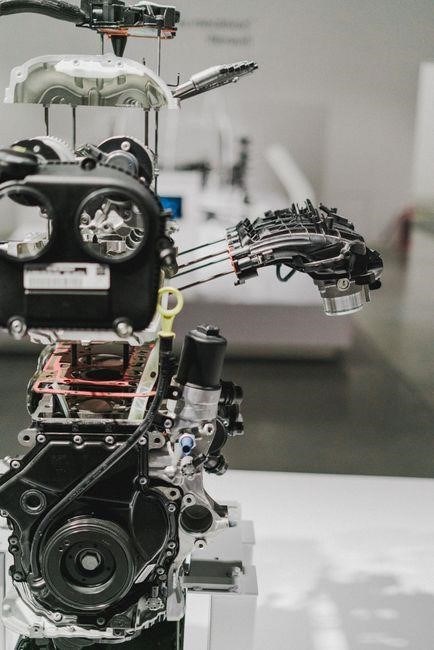
Perkins 4.108, 4.107, and 4.99 workshop manuals are comprehensive PDFs that cover the entire service life of these 4‑Cylinder diesel engines. Each manual contains detailed installation guides, preventive maintenance schedules, and troubleshooting charts specific to the model’s fuel injection, cooling, and lubrication systems. The PDFs include high‑resolution schematics, torque tables, and a complete parts list that matches the OEM catalog. Diagnostics are supported by the Perkins Diagnostic Tool (PDT) interface, allowing technicians to read fault codes, perform live data monitoring, and execute reset functions. Maintenance intervals are broken down into daily, weekly, monthly, and annual tasks, with clear reminders for oil changes, filter replacements, and belt inspections. Common failure modes such as injector wear, coolant leaks, and timing chain tensioner issues are addressed with step‑by‑step repair instructions and preventive measures. Safety procedures cover lockout/tagout, hazardous material handling, and personal protective equipment. The PDFs are formatted for easy navigation, featuring a clickable table of contents and index. Users can download the manuals from the Perkins technical library or request hard copies through customer support. These resources are essential for field technicians, maintenance supervisors, and engine specialists who need reliable, up‑to‑date information to keep the 4.108, 4.107, and 4.99 engines operating efficiently and reliably.
Engine owners are encouraged to consult the Perkins online forum for community insights and share troubleshooting experiences. The manuals also include a section on emission control compliance, detailing the installation and servicing of diesel particulate filters (DPF) and selective catalytic reduction (SCR) systems where applicable. Additionally, the PDFs reference the latest service bulletins and updates, ensuring that any new regulations or performance improvements are incorporated promptly. For quick reference, the manuals provide a troubleshooting matrix that cross‑references symptoms, probable causes, and recommended actions, streamlining the repair process. The digital format allows for quick updates, so technicians always have the most current information at hand. All documents are available in PDF format for immediate download. They also include quick‑reference charts for torque values. Additional technical details are available upon request. For more information, contact Perkins!
4.154 Engine Manual Supersession Details
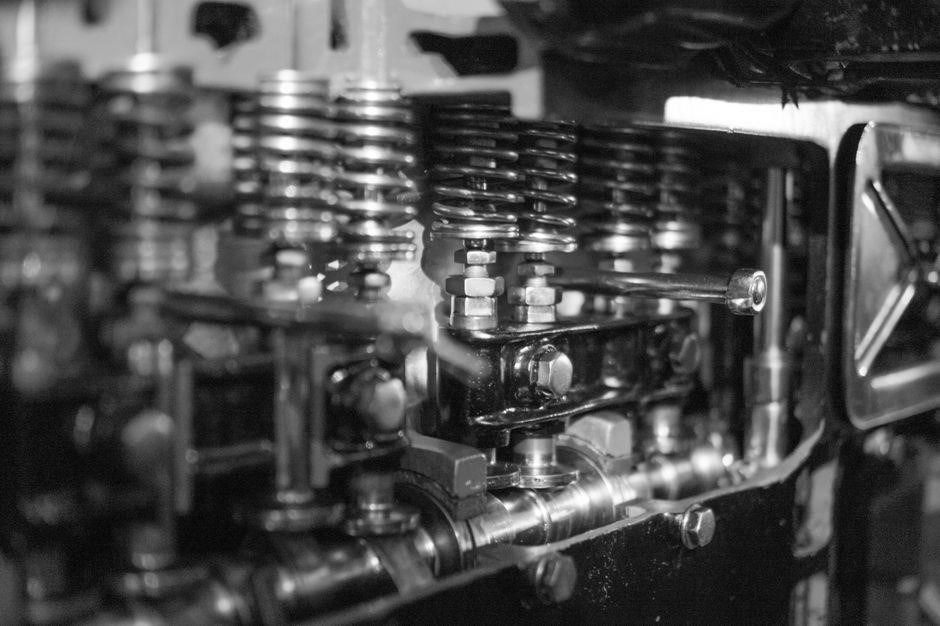
The 4.154 Engine Manual supersedes the earlier 601TPD03831024 version. Updated torque specs, revised wiring diagrams, and new diagnostic procedures are included. Users must download the latest PDF from Perkins’ technical library to ensure compliance with current emission standards and safety protocols Ensure updates
Download Sources for Perkins Manual PDFs
Perkins 4‑Cylinder Diesel Engine manuals are distributed through several reputable channels. The official Perkins website hosts a dedicated Technical Library where authenticated users can download PDF workshop guides for the 200, 500, 4.41, 4.108/4.107/4.99, and 4.154 series. Access requires a valid service account or a purchase of the corresponding service package. For those without a Perkins account, the public “Perkins Engine Manuals” portal offers a searchable database of free PDFs, including the 72‑manual collection that covers gas, diesel, marine, and industrial engines. The site provides direct links to each PDF, along with version history and revision notes.
Another reliable source is Manualslib.com, a community‑driven repository that aggregates OEM manuals. Users can search by engine model or manual number (e.g., 601SER01901176 for the 200 Series or 601TPD01921024 for the 4.154 superseded version). Manualslib hosts compressed PDF files that preserve all diagrams and tables, and the site offers a download counter to ensure authenticity. The platform also hosts discussion forums where technicians share tips on interpreting complex schematics.
For academic or training purposes, the Perkins Technical Training Center provides downloadable PDFs of the 4012 and 4016 gas engine handbooks, the 1000 Series service handbook, and the 1100 Series 4‑Cylinder Diesel workshop manual. These documents are available in PDF format and can be accessed through the Perkins Learning Management System after enrollment in a certified course. The LMS also offers interactive modules that walk users through troubleshooting steps and maintenance schedules.
Finally, the Perkins Digital Library on the Perkins Support Portal offers a subscription‑based model for continuous updates; Subscribers receive notifications when new revisions are released, ensuring that maintenance technicians always have the most current information. The portal also provides a search function that filters by engine series, manual type, and revision date, making it easy to locate the exact PDF needed for a specific repair task.
Technical Specification Overview per Series
Perkins 4‑Cylinder Diesel engines are engineered for durability and efficiency across a range of applications. The 200 Series (4.135, 4.154, 4.182) features a 4.1‑liter displacement, producing 75–90 hp at 2,000 rpm and 140–170 lb‑ft of torque at 1,200 rpm. It uses a cast‑iron block, cast‑iron head, and a 4.5:1 compression ratio. The 500 Series (4.236, 4.248) expands displacement to 5.0 liters, delivering 120–140 hp and 260–300 lb‑ft of torque, with a 4.6:1 compression ratio and a cast‑iron block paired with a cast‑iron head. The 4.41 Series (Model LM) is a 4.4‑liter, naturally aspirated engine, rated at 90 hp and 170 lb‑ft torque, featuring a 4.5:1 compression ratio and a cast‑iron block and head. The 4.108/4.107/4.99 series offers 4.1‑liter displacement, 70–80 hp, 130–150 lb‑ft torque, 4.5:1 compression, and a cast‑iron block and head. The 4.154 series, a 4.1‑liter engine, produces 75 hp and 140 lb‑ft torque, 4.5:1 compression, and a cast‑iron block and head. All series use a water‑cooled, air‑cooled, or hybrid cooling system depending on application, and feature a mechanical fuel injection system with a 2.5 bar injection pressure. Common to all is a 4‑stroke cycle, 4‑valve per cylinder, and a 4.5:1 compression ratio. The manuals provide detailed charts for fuel consumption, oil change intervals, and maintenance schedules, ensuring operators can keep engines running reliably in agricultural, marine, and industrial settings.
Bore and stroke are 95 mm, giving 4.1 L displacement. The 500 Series uses 100 mm bore and stroke for 5.0 L. Cooling uses radiator, 0.5 L/min flow, with jacket. Fuel injection pressure is 2.0–3.0 bar; at 2.5 bar. Maintenance: oil every 1,000 hrs, filter every 500 hrs, inspection every 5,000 hrs. Torque peaks at 1,200 rpm (200 Series) and 1,400 rpm (500 Series).!!

Common Troubleshooting Topics Covered
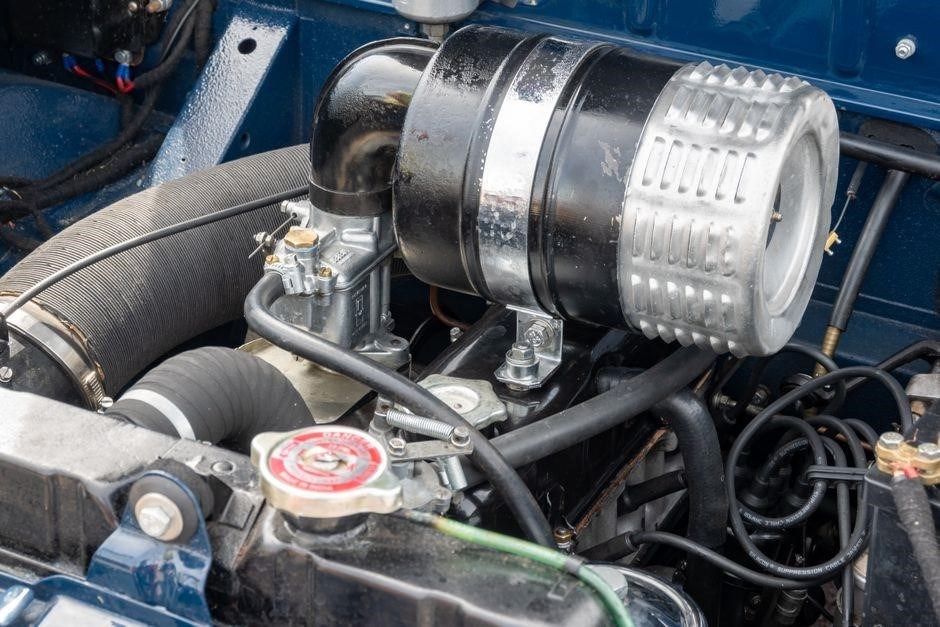
Engine misfires or rough idle are addressed through a systematic inspection of the fuel injection system, including injector timing, pressure, and nozzle wear. The manual outlines diagnostic steps for identifying clogged injectors, verifying injector pulse width, and checking for injector seal leaks that can cause uneven combustion.
Overheating issues are tackled by reviewing coolant flow, radiator condition, and thermostat operation. The guide provides a step‑by‑step procedure to test coolant temperature sensors, inspect radiator cores for blockages, and confirm thermostat opening and closing temperatures to prevent thermal stress on the block and head.
Oil consumption anomalies are examined by inspecting piston rings, cylinder walls, and valve seals. The manual recommends measuring compression, performing a leak‑down test, and checking for oil leaks at the valve cover gasket and oil filter housing to isolate root causes of excessive oil use.
Electrical faults such as starter failure or battery drain are diagnosed by checking battery voltage, starter solenoid operation, and alternator output. The troubleshooting section includes a voltage drop test, continuity checks on starter wiring, and a load test for the alternator to ensure proper charging and cranking performance.
Noise and vibration complaints are resolved by inspecting the crankshaft bearings, connecting rod journals, and camshaft bearings. The manual details vibration analysis, bearing wear patterns, and the use of a vibration meter to pinpoint imbalances or worn components that can lead to premature failure.
Fuel quality problems, including contamination and incorrect octane, are addressed through fuel filter inspection, fuel line cleaning, and verifying fuel system pressure. The guide explains how to perform a fuel filter change cycle, test for water ingress, and use a fuel analyzer to confirm fuel specifications meet engine requirements.
Starting difficulties in cold weather are mitigated by evaluating glow plug performance, battery condition, and coolant temperature. The troubleshooting steps include glow plug resistance tests, checking for proper glow plug heating, and ensuring the engine block temperature is within the optimal range for reliable cold starts.
Maintenance Procedures Highlighted
Perkins 4‑Cylinder manuals prescribe a 1,500‑hour or 12‑month oil change using the specified API grade and a high‑performance filter. Each change includes inspection of block, head, and valve cover gaskets for leaks, and cleaning of the oil filter housing to prevent contamination.
Fuel system care requires a filter replacement every 3,000 hours or when pressure drops below the minimum. The guide details removal of the high‑pressure pump, injector seal inspection, and a pressure test to keep the injection system within tolerances. Air intake filters are cleaned quarterly, and a high‑temperature filter protects the combustion chamber.
Coolant maintenance involves a quarterly flush with a non‑corrosive anti‑freeze solution. Radiator, heater core, hoses, and thermostat are inspected for cracks or leaks, and the water pump impeller is checked for wear. Proper coolant flow prevents overheating.
Electrical upkeep includes a bi‑annual battery, alternator, and starter inspection. Battery charge capacity and terminal voltage are tested, alternator output is verified against the voltage regulation curve, and starter solenoid resistance is measured. Mechanical wear points—piston rings, cylinder walls, and valve seats—are evaluated during overhauls using compression and leak‑down tests, with ring wear gauges ensuring proper replacement.
Bearing inspection is performed during scheduled overhauls. The manual provides a procedure for measuring crankshaft journal clearances with a bearing journal gauge, checking the main bearing surfaces for scoring, and inspecting the connecting rod bearings for wear. If clearances exceed the specified limits, bearings are replaced and the crankshaft is honed to restore proper tolerances.
All maintenance tasks are documented in a service log that records oil and filter changes, fuel filter replacements, coolant flushes, and component inspections. The log includes torque values, part numbers, and the date of each service event. Maintaining accurate records ensures compliance with warranty requirements and facilitates future troubleshooting.
Community and Support Resources
Perkins owners and technicians rely on a network of forums, technical bulletin archives, and official service portals. The Perkins website hosts a support portal where users can download the latest PDF manuals, view troubleshooting guides, and request service bulletins. The portal also offers a searchable database of technical updates for the 4‑Cylinder series, including the 4.108, 4.107, and 4.99 models. In addition, the Perkins Community Forum (forum;perkins.com) provides a space for field technicians to discuss common issues such as injector seal wear, cooling system failures, and compression loss. Members share step‑by‑step repair videos, custom tooling solutions, and maintenance schedules that align with the 1,500‑hour oil change intervals described in the manuals. For those seeking deeper technical assistance, Perkins offers a direct line to a certified service engineer via the online chat feature or by calling the global service center. Training webinars are scheduled quarterly and cover topics ranging from basic oil‑change procedures to advanced diagnostic software usage. The Perkins Digital Library also includes a searchable repository of PDF manuals, schematics, and service bulletins, ensuring that technicians can quickly locate the correct version for their specific engine model. Finally, the Perkins Technical Support Team provides a ticketing system that logs service requests, tracks resolution time, and offers a knowledge base that is continuously updated with new field data. By leveraging these community and support resources, technicians can maintain optimal engine performance and reduce downtime. All resources are online today