
Hornady 308 Load Data: A Comprehensive Guide

Hornady’s extensive 308 Winchester load data, often available as a PDF, details optimal powder-bullet pairings for accuracy and safety․ These resources are crucial for reloaders․
Hornady stands as a premier manufacturer of ammunition and reloading components, renowned for its commitment to accuracy, quality, and safety․ For 308 Winchester enthusiasts, Hornady provides a wealth of load data, frequently accessible in PDF format, designed to empower reloaders with the knowledge to craft precise and reliable ammunition․ This data isn’t merely a collection of numbers; it represents years of rigorous testing and refinement, ensuring optimal performance across a diverse range of firearms․
Understanding Hornady’s 308 load data is paramount for anyone venturing into the world of reloading․ These resources detail specific powder charges, bullet types, and overall cartridge lengths, all meticulously calibrated to achieve consistent results․ The availability of this information as a downloadable PDF allows for convenient offline access, making it an invaluable companion at the reloading bench․ Hornady emphasizes that responsible reloading practices, coupled with adherence to published load data, are essential for both firearm longevity and shooter safety․ Exploring these resources unlocks the potential for tailored ammunition performance, perfectly matched to individual rifles and shooting preferences․
Understanding 308 Winchester Cartridge Basics
The ․308 Winchester cartridge, a mainstay among sporting and military shooters, boasts a rich history and versatile performance characteristics․ Developed after World War II, it quickly gained prominence due to its accuracy and manageable recoil․ Understanding its fundamental components – the case, primer, powder, and bullet – is crucial before delving into Hornady’s detailed load data, often found in convenient PDF guides․
The ․308 Winchester is a bottleneck cartridge, meaning the case narrows from base to shoulder, facilitating efficient bullet seating and extraction․ Case capacity significantly influences pressure development, a key consideration when utilizing Hornady’s load data; The primer initiates combustion of the powder, propelling the bullet down the barrel․ Bullet weight and shape dramatically affect trajectory and terminal performance․ Accessing Hornady’s PDF resources provides specific guidance on matching components for desired outcomes․ Familiarity with these basics, combined with careful adherence to published load data, ensures safe and effective reloading․ Proper case preparation, primer selection, and powder measurement are all foundational elements for success․
Hornady Ammunition: American Whitetail 308 Win 150 gr InterLock SP
Hornady’s American Whitetail line, featuring the 150-grain InterLock Soft Point (SP) bullet in ․308 Winchester, is engineered for exceptional downrange performance on North America’s most popular game animal․ These cartridges are meticulously loaded to conventional velocities, ensuring reliable cycling in semi-automatic rifles, a detail often highlighted in Hornady load data PDFs․ The InterLock band locks the core to the jacket, resulting in weight retention and deep penetration – critical for ethical harvests․
Hornady prioritizes quality, utilizing premium cases and primers in every round․ This commitment translates to consistent accuracy and dependable ignition․ While factory ammunition offers convenience, understanding the underlying load data – often accessible through Hornady’s PDF resources – empowers reloaders to replicate or customize these proven combinations․ The 150-grain bullet strikes a balance between velocity, trajectory, and terminal energy, making it a versatile choice for various hunting scenarios․ Reviewing Hornady’s data will reveal specific powder and primer pairings used in their factory loads, offering a starting point for handloading endeavors․
Hornady Ammunition: Precision Hunter 308 Win 178 gr ELDX
Hornady’s Precision Hunter line, chambered in ․308 Winchester and utilizing the 178-grain ELDX (Extremely Low Drag eXpanding) bullet, represents a pinnacle of long-range accuracy and terminal performance․ These factory loads are designed for hunters and competitive shooters demanding exceptional precision․ Hornady emphasizes accuracy and terminal ballistics as cornerstones of this ammunition, details often reflected in their comprehensive load data, frequently available as a PDF download․
The ELDX bullet features a streamlined profile and aggressive secant ogive, minimizing drag and maximizing ballistic coefficient for flatter trajectories and reduced wind drift․ Upon impact, the ELDX delivers controlled expansion and excellent weight retention, ensuring deep penetration and devastating terminal effects․ Hornady’s PDF resources often showcase load recipes mirroring these factory offerings, providing reloaders with a foundation for crafting custom ammunition․ Understanding the components and pressures used in the Precision Hunter line – as detailed in Hornady’s data – allows handloaders to achieve similar results, tailoring loads to specific rifle and environmental conditions․ These loads are a testament to Hornady’s commitment to precision․
Importance of Load Data and Safety
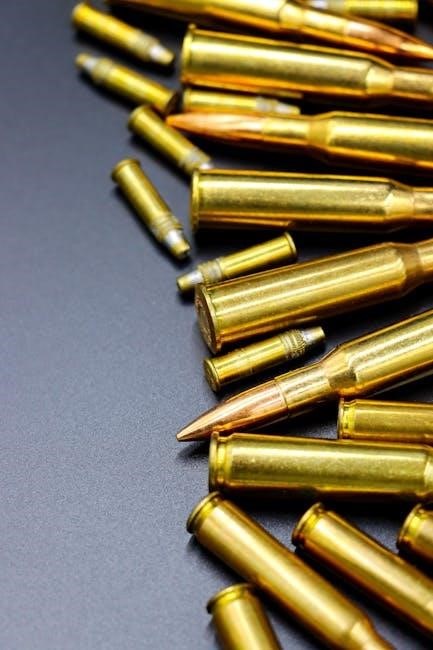
Load data, such as that provided by Hornady in PDF format, is paramount for safe and accurate reloading of ․308 Winchester ammunition․ Deviating from established guidelines can lead to dangerous overpressure situations, potentially damaging your firearm and causing serious injury․ Hornady’s published data represents years of rigorous testing, ensuring compatibility between specific powders, bullets, primers, and cases․
Understanding pressure signs – such as flattened primers, difficult extraction, or case head expansion – is crucial․ Ignoring these indicators can have catastrophic consequences․ Always start with the minimum load listed in the Hornady PDF and incrementally increase it, carefully monitoring for any signs of overpressure․ Hornady emphasizes the importance of using quality components and adhering strictly to published data․
Reloading is not simply about duplicating factory ammunition; it’s about understanding the complex interplay of variables․ Hornady’s detailed PDF guides provide the necessary information to navigate these complexities safely and effectively․ Prioritizing safety and meticulous attention to detail are non-negotiable aspects of the reloading process․ Always consult multiple sources and exercise extreme caution․

Sources of Hornady 308 Load Data (PDF & Online)
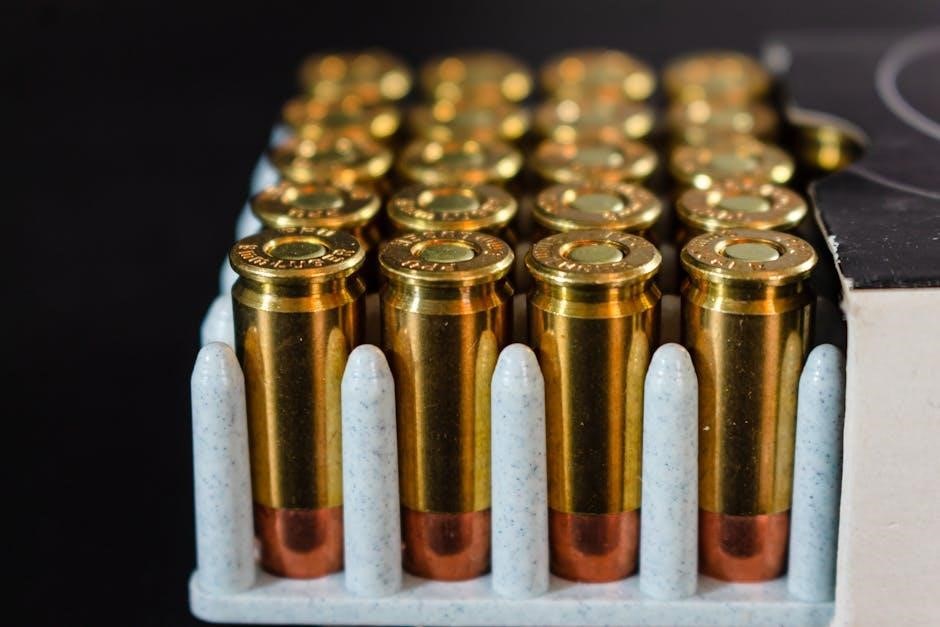
Hornady provides comprehensive ․308 Winchester load data through several accessible channels․ The primary source is their annual reloading guide, often available for purchase in print or as a downloadable PDF directly from the Hornady website (Hornady․com)․ These PDF documents contain extensive charts detailing recommended powder charges for various bullet weights and powder types․
Beyond the annual guides, Hornady frequently updates load data online, offering supplemental information and corrections․ Their website features a dedicated reloading section with searchable databases․ Additionally, many online retailers specializing in reloading components often host Hornady’s PDF load data for customer convenience․
It’s crucial to ensure you’re using the most current data, as Hornady occasionally revises loads based on ongoing testing and component variations․ Always verify the date of the PDF or online resource․ Furthermore, resources like “One Book / One Caliber: The Complete Reloading Manual for the ․308 Winchester” can supplement Hornady’s official data, offering additional insights and perspectives․
Decoding Hornady Load Data Charts
Hornady’s load data charts, found within their reloading guides and PDF resources, require careful interpretation for safe and accurate reloading․ Columns typically include the bullet weight (e․g․, 150 gr, 178 gr ELDX), powder type, starting load, maximum load, and corresponding velocity measurements․ Understanding these parameters is vital․

The “starting load” represents the minimum powder charge for safe operation and should always be used for initial testing․ The “maximum load” is the most powder Hornady recommends; exceeding this can lead to dangerous overpressure situations․ Velocity figures are averages and can vary based on your firearm and environmental conditions․
Pay close attention to case type designations (e․g․, Federal, Winchester) as Hornady’s data is often specific to certain case brands․ Footnotes within the charts provide crucial details regarding specific components or testing conditions․ Always cross-reference the data with your specific components and prioritize safety by starting low and working up gradually, observing for pressure signs․
Powder Selection for 308 Winchester

Powder selection significantly impacts 308 Winchester performance, influencing velocity, accuracy, and pressure․ Hornady’s load data PDF guides showcase various powders suitable for the cartridge, categorized by burn rate – from slower-burning options like IMR 4831 and Hodgdon HDB820 to faster choices such as IMR 4064 and Winchester WMR․
Slower powders generally deliver higher velocities and are preferred for heavier bullets (178 gr ELDX and above), while faster powders suit lighter projectiles (150 gr InterLock SP)․ The optimal choice depends on your desired outcome and firearm․ Consider the temperature sensitivity of different powders; some perform better in extreme conditions․
Hornady data meticulously details powder charges for each bullet-powder combination․ Always adhere to the published starting and maximum loads․ Consistency is key; use the same lot number of powder throughout your reloading process․ Carefully review the PDF for specific notes regarding powder characteristics and compatibility with other components․
Bullet Selection for 308 Winchester
Bullet choice profoundly affects the 308 Winchester’s ballistic performance and terminal effects․ Hornady’s comprehensive load data PDF features a diverse range of bullets, including the 150 gr InterLock SP from the American Whitetail line, designed for controlled expansion and reliable penetration on game․ For precision shooting, the 178 gr ELDX from the Precision Hunter series excels in accuracy and long-range performance․
Bullet weight impacts trajectory and wind drift; heavier bullets generally offer better ballistic coefficients․ Consider the intended application – hunting, target shooting, or tactical use – when selecting a bullet․ Hornady provides detailed specifications for each bullet, including sectional density, ballistic coefficient, and recommended uses․
The PDF data also outlines specific powder charges optimized for each bullet weight; Matching the correct powder to the bullet is crucial for achieving optimal velocity, accuracy, and safe pressures․ Always consult the Hornady manual for recommended combinations and adhere strictly to published load data․

Primer Selection for 308 Winchester
Primer selection is a critical aspect of 308 Winchester reloading, influencing ignition consistency and pressure development․ Hornady’s load data PDF specifies recommended primers for each load, typically including standard and magnum options․ The choice depends on factors like powder type, bullet weight, and ambient temperature․
Standard primers are generally suitable for most loads, providing reliable ignition with commonly used powders․ Magnum primers deliver a hotter spark, beneficial for slower-burning powders or in cold weather conditions where ignition can be challenging․ However, using magnum primers with loads designed for standard primers can lead to overpressure situations․
The Hornady manual details specific primer types tested for each load, ensuring safe and accurate results․ It’s crucial to adhere to these recommendations and avoid substituting primers without consulting additional reloading resources․ Consistent primer selection within a specific load recipe is vital for maintaining accuracy and minimizing velocity variations․ Always refer to the PDF for precise guidance․

Case Selection for 308 Winchester
Case selection significantly impacts 308 Winchester reloading, influencing pressure, accuracy, and case life․ Hornady’s load data PDF often specifies the case type used during load development, typically focusing on brands like Hornady, Winchester, or Federal․ Using the recommended case brand is highly advisable for replicating published results;
While 308 Winchester cases are generally interchangeable, slight variations in case capacity can affect internal ballistics․ Consistent case volume minimizes pressure fluctuations and promotes accuracy․ It’s best to use cases from the same production lot to ensure uniformity․ Thorough case preparation, including resizing, trimming, and priming, is essential before reloading․
The Hornady manual details acceptable case lengths and provides guidance on case trimming procedures․ Inspecting cases for signs of stress, such as cracks or bulges, is crucial for safety․ The PDF will often indicate the maximum number of reloads per case, depending on the specific case brand and reloading practices․ Adhering to these guidelines ensures safe and reliable performance․
Reloading Components and Compatibility
Hornady’s 308 Winchester load data PDF emphasizes the importance of component compatibility for safe and accurate reloading․ Utilizing components listed within the manual ensures they’ve been tested together and fall within established pressure limits․ Substituting components can lead to unpredictable results and potential hazards․
Specifically, the PDF details compatible powder-bullet-primer combinations․ Different powders react differently with the same bullet weight, and primer sensitivity varies․ Mixing and matching without consulting reliable data is strongly discouraged․ Hornady often provides specific recommendations for powder burn rates suited to different bullet weights and intended uses․
Case compatibility is also addressed, noting potential variations in capacity․ The manual highlights the importance of using high-quality primers and bullets from reputable manufacturers․ Always verify that the chosen components align with the specified COL (Cartridge Overall Length) and OAL (Overall Length) outlined in the Hornady data․ Careful attention to these details maximizes accuracy and minimizes risk during the reloading process․
Calculating Maximum Loads
Hornady’s 308 Winchester load data PDF provides starting and maximum load data, but understanding how these figures are derived is crucial․ Maximum loads represent the highest pressure safely achieved during testing with specific components – they are not targets to be exceeded․
The PDF typically presents data in a chart format, listing powder charges in grains, corresponding velocities (fps), and pressure readings․ It’s vital to start at the starting load and incrementally increase the powder charge, carefully observing for pressure signs․ Never exceed the maximum listed load․
Calculating a safe load involves understanding pressure curves and potential variations․ Factors like temperature, case capacity, and bullet seating depth can influence pressure․ The Hornady manual stresses the importance of using a calibrated scale for precise powder measurement․ Always double-check your calculations and prioritize safety over achieving maximum velocity․ Remember, exceeding maximum loads can damage your firearm and cause serious injury․
Signs of Overpressure and Troubleshooting
Hornady’s 308 Winchester load data PDF emphasizes recognizing overpressure signs․ These include flattened or pierced primers, excessive case head expansion requiring significant force to eject, and difficult bolt lift․ Sticky extraction, cratering around the firing pin, or unusual case deformation are also red flags․
If you observe any of these signs, immediately cease firing and reduce the powder charge significantly․ The PDF cautions against ignoring even subtle indicators․ Troubleshooting often involves verifying scale calibration, confirming component compatibility, and re-evaluating the load recipe․
Environmental factors can also contribute to overpressure․ Hot weather increases pressure, so reducing charges slightly during warmer months is advisable․ Always consult the Hornady manual for specific guidance; If uncertainty persists, err on the side of caution and consult with an experienced reloader․ Prioritizing safety is paramount when working with potentially high-pressure cartridges like the 308 Winchester․
Using Reloading Manuals Effectively
Hornady’s 308 Winchester load data, readily available as a PDF, isn’t merely a collection of recipes; it’s a guide demanding careful interpretation․ Start by understanding the manual’s specific disclaimers and safety warnings․ Never exceed maximum load data, and always work up to the maximum charge in small increments․
Pay close attention to the components used in the listed loads – bullet weight, powder type, and primer designation․ Substituting components can drastically alter pressure․ The PDF often includes detailed notes on specific load characteristics, such as accuracy potential or suitability for certain rifles․
Cross-reference data between different manuals, but prioritize Hornady’s data when using their components․ Meticulously record all reloading data, including batch numbers and environmental conditions․ Effective manual use combines adherence to published data with diligent record-keeping and a commitment to safe reloading practices․ Remember, the manual is a tool, and responsible application is key․
Advanced Reloading Techniques for 308 Winchester
Beyond basic load development using Hornady’s 308 Winchester PDF data, advanced techniques refine precision․ This includes careful case preparation – meticulous sizing, consistent primer pocket cleaning, and precise trimming to length․ Analyzing pressure signs, beyond simple visual cues, is crucial; look for subtle case head expansion and primer flattening․
Experimenting with seating depth, within safe parameters outlined in the PDF, can fine-tune accuracy by altering the bullet’s position relative to the rifling․ Utilizing different primer brands, while staying within the recommended type, can also impact consistency․ Temperature sensitivity of powders should be considered, especially for long-range shooting․
Techniques like load laddering, where charges are incrementally increased, coupled with detailed velocity and group size recording, help pinpoint optimal performance․ Remember, advanced techniques require a solid foundation in basic reloading principles and a thorough understanding of Hornady’s published data․ Safety remains paramount throughout the process․
Resources and Further Information
For comprehensive Hornady 308 Winchester reloading data, the official Hornady website (https://www․hornady․com/) is the primary source․ Downloadable PDF manuals offer detailed load recipes, covering various bullet weights and powder combinations․ These manuals are regularly updated, so ensure you have the latest version․
Online forums dedicated to reloading, such as those found on websites like Shooters Forum, provide valuable insights from experienced reloaders․ However, always verify information against official Hornady data․ The book “One Book / One Caliber The Complete Reloading Manual for the ․308 Winchester” is also a valuable resource․
Hornady’s customer service is available to answer specific questions regarding their products and load data․ Remember to prioritize safety and consult multiple sources before attempting any reloading procedure․ Always adhere to published maximum loads and exercise caution when handling firearms and reloading components․ Proper education is key to safe and accurate reloading․