
Embarking on a 10km journey requires a structured approach; a beginner program provides a safe, progressive path, building endurance and minimizing injury risk.
What is a 10km Run?
A 10km run, equivalent to 6.2 miles, represents a significant milestone for beginner runners. It’s a challenging yet achievable distance that demands consistent training and preparation. Unlike shorter distances focused purely on speed, a 10km requires a blend of pace and endurance. Successfully completing a 10km builds cardiovascular fitness, strengthens muscles, and boosts mental resilience.
This distance is popular for road races and provides a fantastic goal for those new to running. It’s a step up from a 5k, demanding a more comprehensive training plan to avoid overexertion and potential injuries. Preparing for a 10km isn’t just about running; it’s about building a sustainable, healthy habit.
Why Choose a Beginner Program?
Jumping into a 10km without a plan can lead to injury and discouragement. A beginner program provides a structured, progressive approach, gradually increasing mileage and intensity. This minimizes stress on your body, allowing it to adapt safely. These programs incorporate rest days, crucial for muscle recovery and preventing burnout.
A well-designed plan also introduces essential running techniques and injury prevention strategies. It builds a solid foundation of fitness, fostering consistency and confidence. Following a program transforms a daunting goal into manageable steps, increasing your likelihood of success and enjoyment. It’s about building a sustainable running habit, not just completing a race.

Assessing Your Current Fitness Level
Before starting, understand your baseline. Evaluate your current walking and running capabilities to tailor the program effectively and safely for optimal results.
Walking Test for Baseline
Begin with a simple walking test to gauge your initial fitness. Walk a mile at a brisk, comfortable pace and record your time. This establishes a baseline for comparison throughout the program. Note how you feel – any discomfort, breathlessness, or fatigue.
Repeat this test weekly to monitor improvements. A decreasing time indicates increased cardiovascular fitness. If you struggle to complete the mile, start with a shorter distance and gradually increase it. This test isn’t about speed; it’s about establishing a starting point and tracking progress. Consistency is key, and listen to your body!
Initial Running Assessment
Following the walking test, introduce short running intervals. Alternate between one minute of jogging and two minutes of walking for a total of 20-30 minutes; Pay attention to your form – maintain good posture, a relaxed upper body, and a midfoot strike.
Assess your breathing; you should be able to hold a conversation, albeit with some effort. Note any pain or discomfort in your joints or muscles. This assessment helps determine your current running capacity and identifies areas needing improvement. Don’t push too hard initially; focus on building a comfortable rhythm.
The 12-Week Training Plan Overview
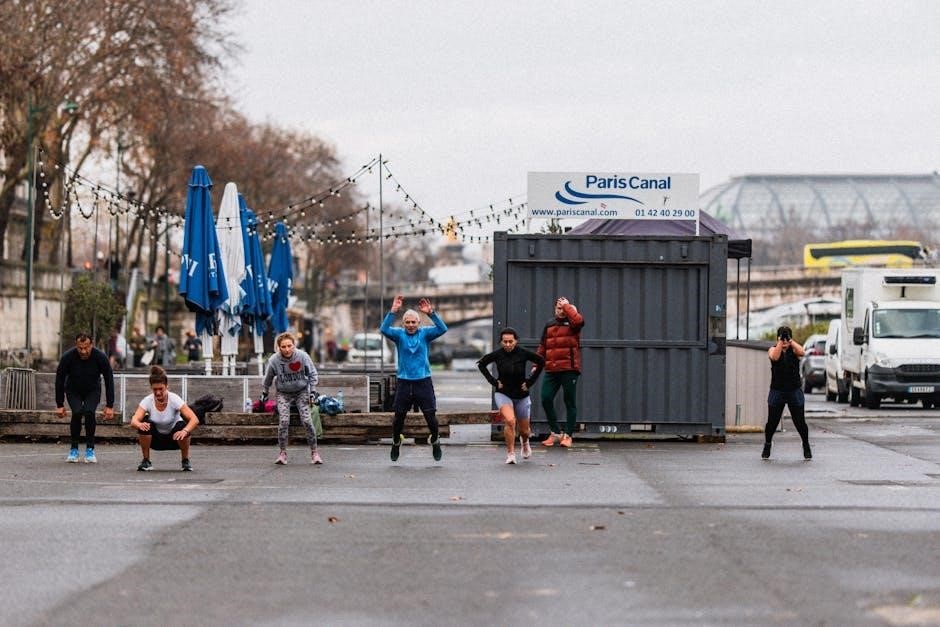
This program spans 12 weeks, progressively increasing mileage and intensity through three phases: base building, mileage increase, and speed/endurance work.
Phase 1: Building a Base (Weeks 1-4)
The initial four weeks focus on establishing a solid foundation. This phase prioritizes consistency over intensity, aiming to comfortably increase your weekly running volume. Expect a blend of walking and running intervals, gradually reducing walking periods as fitness improves. Focus on short, easy runs three times per week, interspersed with rest or cross-training activities like swimming or cycling. Listen to your body and don’t push through pain. The goal isn’t speed, but building endurance and acclimating your muscles and cardiovascular system to the demands of running. Proper warm-up and cool-down routines are crucial during this phase to prevent injuries and enhance recovery. Remember, consistency is key to success!
Phase 2: Increasing Mileage (Weeks 5-8)
Weeks five through eight concentrate on progressively lengthening your runs. Continue with three runs per week, but gradually increase the distance of your longest run each week, adhering to the 10% rule – never increase weekly mileage by more than 10%. Introduce a slightly longer run each week, while maintaining the shorter, easier runs. Continue incorporating rest and cross-training. Pay attention to any developing discomfort and adjust accordingly. This phase builds upon the base established in Phase 1, preparing your body for more challenging workouts. Focus on maintaining a conversational pace during your runs, ensuring you can comfortably hold a conversation.
Phase 3: Speed Work & Endurance (Weeks 9-12)
This final phase refines your fitness, blending speed work with sustained endurance. Introduce interval training – short bursts of faster running interspersed with recovery periods – once a week. Maintain your long run, potentially increasing it slightly, but prioritize quality over quantity. Continue with your regular runs, focusing on maintaining a consistent pace. Proper warm-up and cool-down become even more crucial. Listen to your body and don’t push through pain. This phase aims to improve your running efficiency and prepare you to confidently tackle the 10km distance. Taper your mileage in the final week before the race.
Detailed Weekly Schedule Breakdown
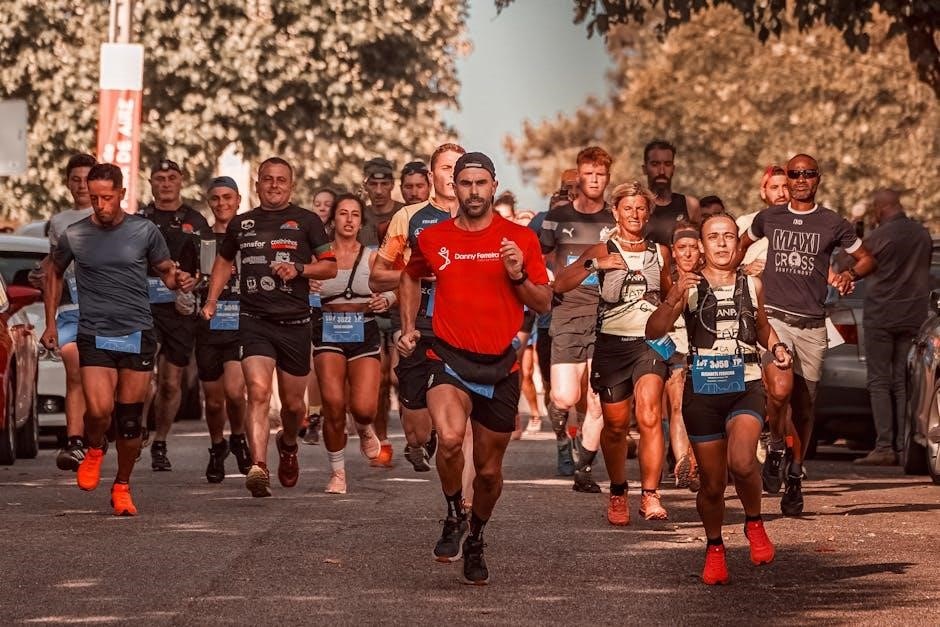
A structured schedule is key to success. This section provides sample weekly plans, progressively increasing mileage and intensity, guiding you towards your 10km goal.
Sample Week: Weeks 1-4
Focus during weeks 1-4 is building a solid base. Monday involves a 20-minute brisk walk. Tuesday is a short run/walk interval – 6 x 2 minutes running, 2 minutes walking. Wednesday is rest or cross-training like swimming or cycling. Thursday mirrors Tuesday’s interval session. Friday is another 20-minute walk. Saturday features a longer run/walk – 8 x 3 minutes running, 2 minutes walking. Sunday is complete rest.
Gradually increase running intervals each week. Prioritize form over speed, and listen to your body. This phase aims to comfortably increase time on your feet, preparing you for increased mileage in subsequent phases. Remember consistent effort is more valuable than pushing too hard, too soon.
Sample Week: Weeks 5-8
Weeks 5-8 concentrate on increasing your overall mileage. Monday features a 30-minute easy run. Tuesday is interval training – 5 x 4 minutes running, with 2-minute recovery walks. Wednesday is dedicated to cross-training, like yoga or light strength work. Thursday mirrors Tuesday’s interval session. Friday is a shorter, 20-minute easy run. Saturday includes a long run, gradually increasing distance each week, aiming for 6-8km. Sunday is complete rest and recovery.
Focus on maintaining a conversational pace. Don’t be afraid to repeat weeks if needed, ensuring your body adapts comfortably to the increased workload. Consistency remains key during this phase.
Sample Week: Weeks 9-12
These final weeks refine speed and build endurance for race day. Monday is a 35-minute easy run. Tuesday features tempo runs – 20 minutes at a comfortably hard pace, preceded and followed by a 10-minute warm-up and cool-down. Wednesday is cross-training. Thursday replicates Tuesday’s tempo session. Friday is a shorter, 25-minute easy run. Saturday’s long run peaks at 8-10km, including some race-pace segments. Sunday remains a rest day.
Prioritize tapering in the final week. Reduce mileage to allow your body to recover and prepare for optimal performance on race day.

Essential Running Gear
Proper gear enhances comfort and performance. Invest in supportive running shoes and moisture-wicking apparel to prevent blisters and stay comfortable during training sessions.
Choosing the Right Running Shoes
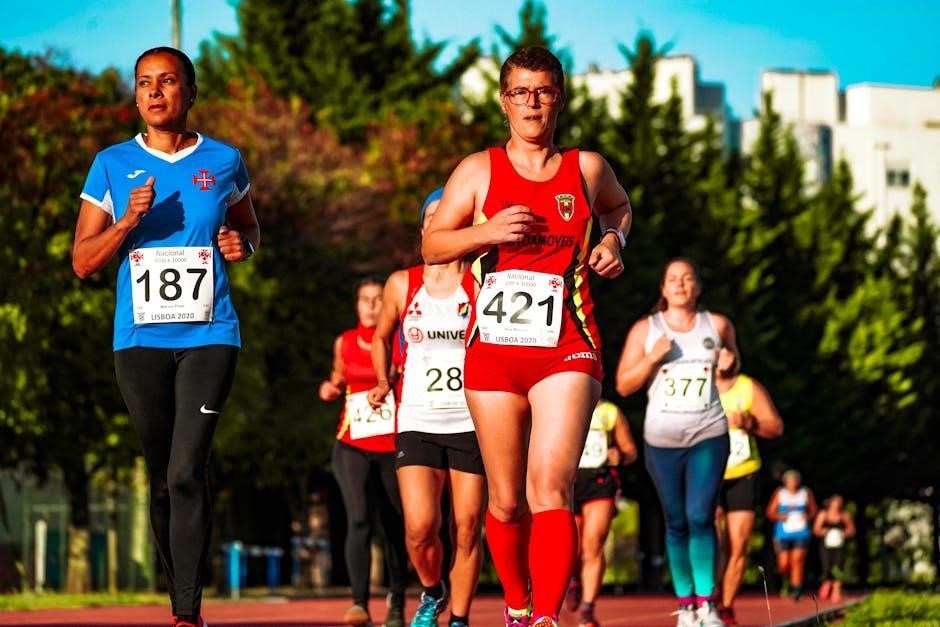
Selecting appropriate running shoes is paramount for beginners. Consider your foot type – neutral, pronated, or supinated – as this dictates the level of support needed. Visit a specialty running store for a professional gait analysis; experts can assess your running form and recommend suitable shoes.
Look for shoes with adequate cushioning to absorb impact, especially during longer runs. Ensure a comfortable fit with about a thumb’s width of space between your longest toe and the shoe’s end. Replace your running shoes every 300-500 miles, or when the cushioning feels compressed, to maintain optimal support and prevent injuries. Prioritize comfort over brand or aesthetics.
Appropriate Running Apparel
Beyond shoes, clothing significantly impacts running comfort and performance. Opt for moisture-wicking fabrics like polyester or nylon, avoiding cotton which retains sweat and causes chafing. Layering is key, especially in varying weather conditions; a base layer, insulating mid-layer, and weather-resistant outer layer provide adaptability.
Invest in comfortable running socks designed to prevent blisters. Consider compression apparel for improved circulation and muscle recovery. Visibility is crucial, particularly during low-light runs; wear bright colors or reflective gear. Prioritize clothing that allows a full range of motion without restriction, ensuring a comfortable and focused running experience.

Injury Prevention & Recovery
Prioritize proactive care; consistent warm-ups, cool-downs, and mindful recovery strategies are vital for preventing common running injuries and sustaining progress.
Warm-up and Cool-down Routines
Dynamic warm-ups prepare muscles for activity, increasing blood flow and flexibility. Include leg swings, arm circles, torso twists, and high knees for 5-10 minutes before each run. A proper warm-up reduces injury risk and enhances performance.
Cool-downs are equally crucial, gradually lowering your heart rate and preventing muscle soreness. Walk for 5-10 minutes post-run, followed by static stretches – holding each stretch for 30 seconds. Focus on major muscle groups like hamstrings, quads, calves, and hip flexors. Consistent routines aid recovery and maintain flexibility, supporting long-term running health.
Common Running Injuries & How to Avoid Them
Shin splints, runner’s knee, and plantar fasciitis are frequent issues. Prevent shin splints with proper footwear and gradual mileage increases. Address runner’s knee by strengthening hip and core muscles, ensuring correct running form. Plantar fasciitis can be mitigated with stretching and supportive shoes.
Listen to your body; don’t push through pain. Incorporate rest days, cross-training, and strength training. Prioritize proper warm-up and cool-down routines. Gradual progression is key – avoid increasing mileage by more than 10% per week. Seeking professional advice from a physical therapist can also be beneficial.
Nutrition and Hydration for Runners
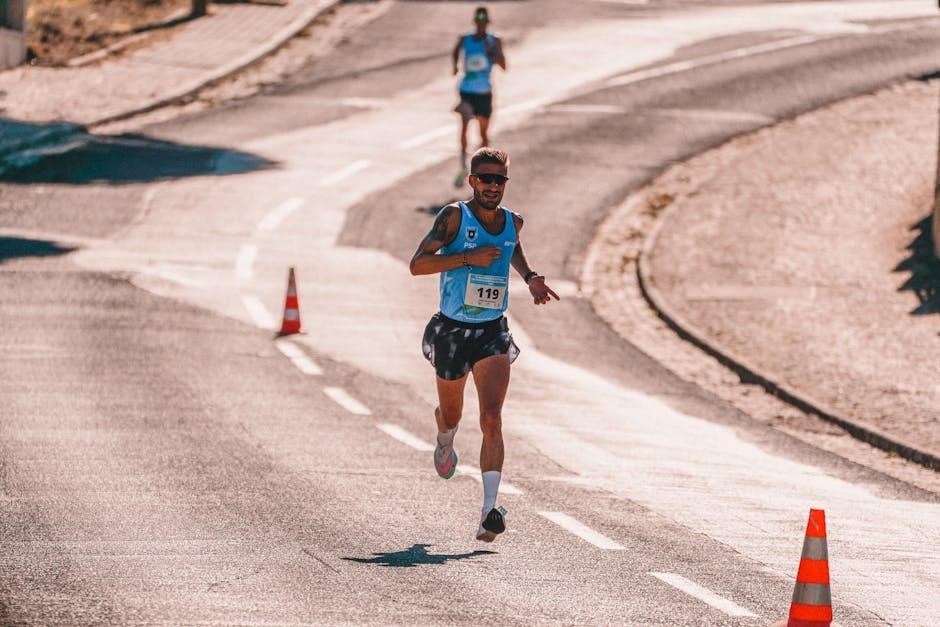
Fueling properly is vital for performance and recovery. Prioritize carbohydrates for energy, protein for muscle repair, and stay consistently hydrated before, during, and after runs.
Pre-Run Fueling
Optimizing your pre-run nutrition is crucial for sustained energy levels during your training. Focus on consuming easily digestible carbohydrates approximately 1-3 hours before your run. Good options include a banana with peanut butter, a slice of toast with jam, or a small bowl of oatmeal. Avoid high-fat, high-fiber, or protein-heavy meals immediately before running, as these can cause digestive discomfort.
Hydration is equally important; drink 500-700ml of water 2-3 hours beforehand, and another 200-300ml about 20-30 minutes before you start. Experiment with different fueling strategies during your training to discover what works best for your body and minimizes any potential stomach issues during your 10km preparation.
Post-Run Recovery Nutrition
Replenishing your energy stores and repairing muscle tissue after a run is vital for recovery and adaptation. Within 30-60 minutes of finishing your run, consume a combination of carbohydrates and protein. This helps restore glycogen levels and initiates muscle repair. Excellent choices include a protein shake with fruit, yogurt with granola, or a chicken breast with sweet potatoes.
Prioritize rehydration by drinking plenty of water or an electrolyte beverage to replace fluids lost through sweat. Adequate post-run nutrition minimizes muscle soreness, reduces fatigue, and prepares you for your next training session, supporting your overall 10km program success.

Monitoring Your Progress
Consistent tracking reveals improvements and identifies areas needing adjustment; utilize tools like running watches or apps to record pace, distance, and overall performance.
Using a Running Watch or App
Modern technology significantly enhances progress tracking. Running watches and smartphone apps offer detailed metrics beyond simple distance and time. GPS functionality accurately maps your route, while heart rate monitoring provides insights into exertion levels, helping you stay within optimal training zones.
Many apps, like Strava or Runkeeper, allow you to analyze pace, cadence, and elevation gain. They also facilitate goal setting and provide virtual badges for achievements, boosting motivation. Regularly reviewing this data reveals trends, identifies plateaus, and informs necessary adjustments to your training plan. Consistent data collection is key to a successful 10km journey.
Tracking Your Pace and Distance
Monitoring pace and distance is fundamental to improvement. Initially, focus on completing the distance comfortably, rather than achieving a specific speed. As fitness increases, gradually introduce pace work. Knowing your average pace per kilometer helps gauge progress and prevents overexertion.
Distance tracking confirms you’re adhering to the training plan’s mileage goals. Utilize running apps or watches to record each run. Analyze weekly totals to ensure progressive overload – a gradual increase in distance – which is crucial for building endurance. Consistent tracking provides valuable data for refining your strategy.
Race Day Preparation
Finalize logistics and mental readiness in the days leading up to the race; a checklist ensures nothing is forgotten, boosting confidence and reducing pre-race anxiety.
Pre-Race Checklist
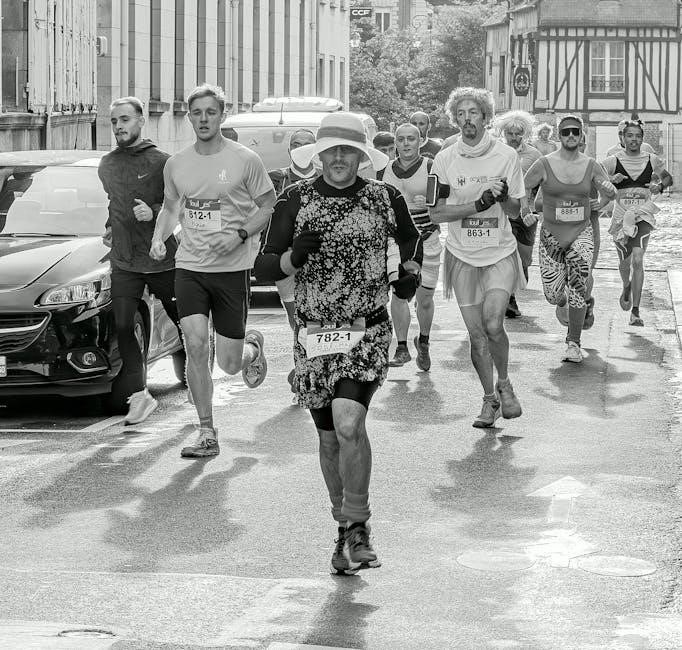
Ensure a smooth race day experience with thorough preparation. Confirm your race number and pin are readily available. Lay out your running attire – shoes, socks, shorts, and shirt – the night before, checking the weather forecast for appropriate layering. Pack a small bag with essentials: energy gels or chews, hydration (water or sports drink), and any necessary medications.
Charge your running watch or phone. Plan your route to the race venue, accounting for potential traffic or parking challenges. Review the race course map and familiarize yourself with aid stations. Most importantly, prioritize a good night’s sleep to arrive at the starting line feeling rested and prepared to achieve your personal best!
Pacing Strategy for the 10km
Avoid starting too fast, a common beginner mistake! Begin at a comfortable, conversational pace – you should be able to hold a brief conversation without gasping for air. Gradually increase your speed throughout the race, aiming for even splits (consistent pace per kilometer). Utilize the first kilometer as a warm-up, finding your rhythm.
Resist the urge to surge with faster runners; maintain your planned pace. If you feel strong in the later stages, consider a slight increase in speed, but avoid drastic changes. Focus on consistent effort and listen to your body, adjusting your pace as needed to finish strong and enjoy the accomplishment!