
Mirro pressure cookers represent a legacy of dependable kitchen innovation‚ offering a swift and efficient method for preparing delicious‚ home-cooked meals consistently.
What is a Mirro Pressure Cooker?
A Mirro pressure cooker is a sealed pot designed to cook food quickly using steam pressure. Unlike conventional cooking methods‚ a Mirro cooker traps steam‚ increasing the boiling point of water well above 212°F (100°C). This elevated temperature dramatically reduces cooking times – what might take hours on the stovetop or in the oven can often be achieved in minutes with a pressure cooker.
Historically‚ Mirro has been a prominent American brand known for its durable construction and reliable performance. These cookers are typically made from heavy-gauge aluminum or stainless steel‚ ensuring even heat distribution. They come in various sizes‚ catering to different household needs‚ from smaller models ideal for single servings to larger ones suitable for family meals.
The core principle involves creating a pressurized environment‚ forcing liquids into the food more effectively‚ resulting in tender‚ flavorful results. They are versatile tools capable of cooking a wide range of dishes‚ including meats‚ vegetables‚ soups‚ stews‚ and even desserts.
Why Choose a Mirro Pressure Cooker?
Opting for a Mirro pressure cooker offers several compelling advantages. Primarily‚ it significantly reduces cooking time‚ saving you valuable energy and effort in the kitchen. Tough cuts of meat become incredibly tender in a fraction of the time compared to traditional methods‚ and vegetables retain more of their vital nutrients due to the shorter cooking duration.
Mirro cookers are also known for their ability to intensify flavors. The sealed environment locks in aromas and seasonings‚ creating richer‚ more complex tastes. Furthermore‚ pressure cooking requires less liquid‚ concentrating the natural flavors of the ingredients.
Beyond speed and flavor‚ a Mirro pressure cooker is a versatile appliance. It can replace multiple kitchen tools‚ simplifying your cooking process and reducing clutter. Their robust construction ensures longevity‚ making them a worthwhile investment for any home cook seeking efficiency and delicious results.
Understanding Your Mirro Pressure Cooker – Parts & Features
Mirro pressure cookers boast thoughtfully designed components‚ ensuring safe and effective operation; familiarize yourself with each part for optimal cooking performance and longevity.
Identifying Key Components
The Pot Body: This is the main vessel‚ typically constructed from heavy-gauge aluminum or stainless steel‚ designed to withstand high pressure. Ensure it’s free from dents or damage.
The Lid: A crucial element‚ the lid creates the airtight seal necessary for pressure cooking. It features locking mechanisms and the pressure regulator.
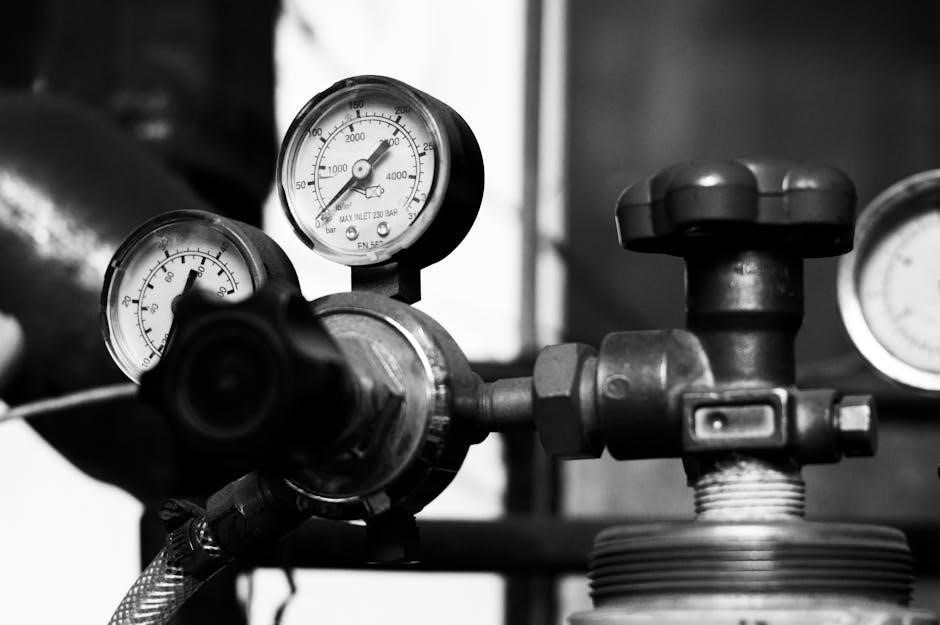
The Pressure Regulator (or Weight): This controls the pressure inside the cooker. Older models use weighted regulators‚ while newer ones may have spring-loaded valves. Understanding its function is vital.
The Sealing Ring (Gasket): Made of rubber or silicone‚ this ring sits inside the lid and creates the airtight seal. Inspect it for cracks or wear before each use.
The Safety Valve: A critical safety feature‚ this valve releases excess pressure if the regulator fails. Never obstruct or tamper with the safety valve.
Handles: Securely attached to the pot‚ these allow for safe handling‚ even when the cooker is hot. Check for firmness before use.
Steam Vent/Release Valve: Used for quick pressure release‚ this valve directs steam away from the user.
The Pressure Regulator: How it Works
Understanding the Regulator’s Role: The pressure regulator maintains a consistent pressure level inside the cooker‚ crucial for even and efficient cooking. Older Mirro cookers typically utilize a weighted regulator.
Weighted Regulators: These consist of weights that rock or jiggle as pressure builds. The amount of weight determines the pressure. A gentle jiggle indicates the correct cooking pressure is reached.
How it Functions: As steam builds‚ it escapes past the regulator‚ causing the weight to move. When the desired pressure is achieved‚ the escaping steam is regulated‚ maintaining that level.
Modern Spring-Loaded Valves: Newer models may feature spring-loaded valves with pressure settings. These offer more precise control and often have visual indicators.
Importance of Cleanliness: Keep the regulator and its vent clean to ensure proper function. Blockages can lead to dangerous pressure build-up. Regularly inspect for debris.
Never Alter the Regulator: Do not attempt to modify or replace the regulator with a non-approved part. This compromises safety and cooking performance.
Safety Features Explained
Mirro pressure cookers incorporate several vital safety mechanisms. The most prominent is the pressure release valve‚ designed to vent excess steam if the regulator malfunctions‚ preventing dangerous over-pressurization.
Safety Lock Lid: This feature prevents the lid from being opened while pressure remains inside the cooker. Never force the lid open; allow pressure to release fully first.
Gasket’s Role: The rubber gasket creates an airtight seal‚ essential for building pressure. Inspect it regularly for cracks or damage‚ replacing as needed to maintain a secure seal.
Overpressure Plug: As a last resort‚ the overpressure plug will release steam if all other safety mechanisms fail. This is a critical backup system.
Proper Usage is Key: Understanding and utilizing these features correctly is paramount. Always follow the manual’s instructions for safe operation and maintenance.
Regular Inspection: Before each use‚ visually inspect all safety components to ensure they are clean‚ undamaged‚ and functioning correctly. Prioritize safety always!
Getting Started: First-Time Use
Before your initial cooking experience‚ familiarize yourself with all components and thoroughly read this manual for optimal performance and safety.
Initial Inspection & Cleaning
Upon unboxing your new Mirro pressure cooker‚ carefully inspect all parts for any shipping damage. Verify that you have received all components listed in the parts diagram – the pot itself‚ lid‚ pressure regulator (weight or valve)‚ sealing gasket‚ and potentially trivet or rack depending on the model.
Before first use‚ it’s crucial to thoroughly clean all removable parts. Wash the pot‚ lid‚ regulator‚ and trivet with warm‚ soapy water. Avoid abrasive cleaners‚ as they can damage the finish. Pay special attention to the sealing gasket; ensure it’s clean and pliable. Inspect the gasket for any cracks or defects – a damaged gasket will not create a proper seal.
The lid should be washed separately‚ ensuring all crevices are free of debris. Rinse all parts completely and dry thoroughly before reassembling. A first water test (detailed in the next section) will further confirm cleanliness and proper sealing functionality. Do not immerse the entire cooker (pot and lid together) in water.
Water Test: Ensuring Proper Sealing
To verify your Mirro pressure cooker seals correctly‚ perform a simple water test. Add 2-3 cups of water to the pot. Secure the lid‚ ensuring it’s properly aligned and locked into place; Attach the pressure regulator (weight or valve) according to the instructions.
Place the cooker on a burner over medium-high heat. Allow the cooker to come up to pressure – you’ll notice steam escaping initially‚ then a consistent rocking or whistling sound from the regulator‚ depending on your model.
Observe for 10 minutes. If the regulator continues to release steam consistently‚ the seal is likely compromised. Turn off the heat and allow the pressure to release naturally. Check the gasket for proper seating and any damage. Repeat the test if necessary. A successful test means no steam escapes from around the lid during the 10-minute period.
Understanding Pressure Levels
Mirro pressure cookers typically operate at one of two pressure levels: low (around 5-7 PSI) and high (around 10-15 PSI)‚ depending on the model and regulator used. Lower pressure is ideal for delicate foods like vegetables‚ fish‚ and eggs‚ preserving texture and nutrients.
Higher pressure is better suited for tougher cuts of meat‚ beans‚ and stews‚ significantly reducing cooking times. Your cooker’s regulator determines the pressure level. A lightweight regulator usually indicates low pressure‚ while a heavier one signifies high pressure.
Always refer to your recipe for the recommended pressure level. Using the incorrect pressure can result in undercooked or overcooked food. Altitude also affects pressure; higher altitudes require longer cooking times or increased pressure – adjustments are detailed in the cooking techniques section.
Cooking with Your Mirro Pressure Cooker – Basic Techniques
Mastering pressure cooking involves precise liquid measurements‚ understanding pressure release methods‚ and adjusting cook times for optimal results and consistently flavorful dishes;
Adding Liquids: The Importance of Enough (But Not Too Much!)
Successful pressure cooking hinges on achieving the correct liquid level within your Mirro cooker. Liquids create the steam necessary to build pressure‚ which is the core of the cooking process. However‚ exceeding the maximum fill line is dangerous and can lead to blockage of the steam vent‚ creating a safety hazard.
Generally‚ you need at least one cup of liquid for a 6-quart cooker‚ and a half cup for smaller models. Recipes will specify the appropriate amount‚ but remember that thicker foods require more liquid than thinner ones. Always check the recipe!
Avoid using thickeners like flour or cornstarch directly in the cooker‚ as they can settle and cause scorching. Instead‚ add them after pressure cooking and releasing the pressure. Also‚ remember that foods release liquids as they cook‚ so don’t overfill initially. Observing these guidelines ensures safe and effective pressure cooking with your Mirro.
Releasing Pressure: Natural vs. Quick Release
Understanding pressure release methods is crucial for safe and optimal results with your Mirro pressure cooker. There are two primary techniques: natural pressure release (NPR) and quick release (QR). NPR involves allowing the cooker to cool down on its own‚ with the pressure dissipating gradually. This method is ideal for soups‚ stews‚ and foods with a high liquid content‚ preventing splattering and ensuring tender results.
Quick release‚ conversely‚ involves manually releasing the steam by carefully activating the pressure release valve. This is faster but can cause liquids to sputter‚ so it’s best suited for foods where texture isn’t as critical‚ like vegetables.
Always follow recipe instructions regarding pressure release. Never force the valve open‚ and keep hands and face away from the steam vent. Knowing when to use each method will significantly enhance your pressure cooking experience with your Mirro cooker.
Adjusting Cooking Times for Altitude
Cooking with a pressure cooker at higher altitudes requires adjustments to cooking times. Water boils at a lower temperature as altitude increases‚ meaning food takes longer to cook. For altitudes between 2‚000 and 4‚000 feet‚ increase cooking times by 5-10%. Between 4‚000 and 6‚000 feet‚ add 10-15% to the recommended time. Above 6‚000 feet‚ increase cooking times by 15-20% or more.
These are general guidelines; always consult specific recipes for altitude adjustments. It’s better to slightly undercook and add a few more minutes than to overcook. Pay close attention to food texture and internal temperature to ensure it’s cooked through. Your Mirro pressure cooker’s performance will be optimized with these altitude-specific modifications.
Remember to also consider the type of food being cooked‚ as some foods are more sensitive to altitude changes than others.
Recipes & Meal Ideas
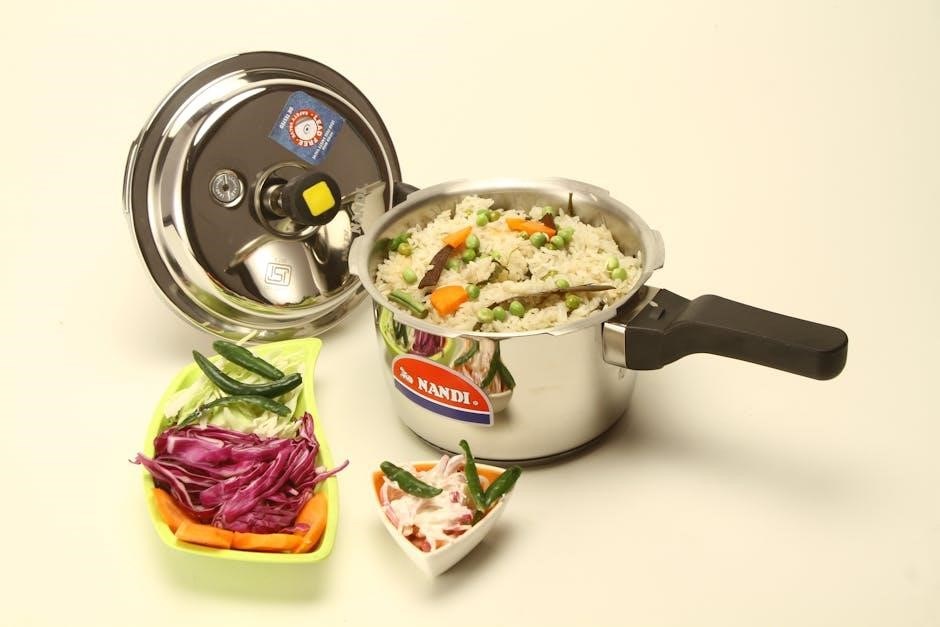
Unlock a world of culinary possibilities! Your Mirro pressure cooker excels at creating flavorful‚ tender dishes – from hearty stews to surprisingly delicate desserts.
Quick & Easy Weeknight Meals
Busy evenings demand quick solutions‚ and your Mirro pressure cooker delivers! Imagine tender‚ fall-off-the-bone chicken and vegetables ready in under 30 minutes. A classic chicken and rice dish transforms from an hour-long simmer to a speedy‚ satisfying meal. Consider a flavorful chili – beans‚ ground beef‚ and tomatoes meld beautifully under pressure‚ creating a rich and comforting dinner.
For a vegetarian option‚ explore pressure-cooked lentil soup‚ packed with nutrients and ready in a flash. Even pasta dishes benefit; perfectly cooked pasta absorbs flavors quickly‚ creating a delightful one-pot meal. Don’t forget about pulled pork! A pork shoulder becomes incredibly tender with minimal effort‚ perfect for tacos or sandwiches. These recipes minimize cleanup and maximize flavor‚ making weeknight cooking a breeze. Embrace the convenience and enjoy more time with your family‚ thanks to the speed and efficiency of your Mirro pressure cooker.
Soups & Stews: Perfect for Pressure Cooking
Soups and stews truly shine when prepared in a Mirro pressure cooker. The sealed environment intensifies flavors‚ creating incredibly rich and complex broths in a fraction of the time compared to traditional methods. Tough cuts of meat‚ like beef chuck or lamb shanks‚ become unbelievably tender‚ falling apart with the slightest touch. Imagine a hearty beef stew‚ brimming with vegetables‚ ready in just over an hour instead of all day!
Explore creamy tomato soup‚ delicate chicken noodle soup‚ or a robust French onion soup – all achievable with ease. Lentil soup‚ split pea soup‚ and even seafood chowders benefit from the pressure cooking process. The speed allows flavors to meld beautifully‚ resulting in a depth of taste that’s hard to replicate. Plus‚ fewer nutrients are lost during the shorter cooking time‚ making these dishes both delicious and healthy. Your Mirro unlocks a world of comforting‚ flavorful soups and stews.
Desserts: Yes‚ You Can!
Believe it or not‚ your Mirro pressure cooker isn’t just for savory dishes! It’s surprisingly adept at creating delightful desserts. Steaming is the key – pressure cooking provides a gentle‚ even heat perfect for custards‚ cheesecakes‚ and even chocolate cakes. The sealed environment prevents scorching and ensures a moist‚ tender result.
Consider a silky smooth cheesecake‚ cooked to perfection without the need for a water bath. Or explore steamed pudding recipes‚ like sticky toffee pudding or chocolate lava cake. Fruit cobblers and crisps also benefit from the quick cooking time‚ retaining their vibrant flavors and textures. Remember to use trivets to elevate your dessert dishes above the water level. Don’t be afraid to experiment – your Mirro can unlock a whole new realm of sweet possibilities‚ offering a unique and efficient way to indulge your sweet tooth!
Maintenance & Troubleshooting
Regular upkeep ensures your Mirro pressure cooker’s longevity and optimal performance; addressing issues promptly guarantees safe and enjoyable cooking experiences always.
Cleaning Your Mirro Pressure Cooker
Thorough cleaning after each use is crucial for maintaining your Mirro pressure cooker’s performance and hygiene. Always allow the cooker to cool completely and release all pressure before disassembling. The pot itself can typically be washed with warm‚ soapy water – avoid abrasive cleaners that could damage the finish.
The lid requires special attention. Remove the gasket and pressure regulator‚ washing them separately in warm‚ soapy water. Inspect the gasket for cracks or damage; replace if necessary. The pressure regulator should be cleaned to ensure the vent holes are clear of obstructions.
Hand washing is generally recommended for all components to prolong their lifespan. While some models may have dishwasher-safe parts‚ consult your specific model’s instructions. Ensure all parts are completely dry before reassembling. Pay close attention to the steam vent and locking mechanisms‚ removing any food particles that may accumulate. A clean cooker is a safe and efficient cooker!
Replacing Parts: Gaskets & Regulators
Over time‚ the gasket and pressure regulator are the most likely components to require replacement in your Mirro pressure cooker. Gaskets will become brittle and lose their seal‚ while regulators can become clogged or worn‚ affecting pressure control. Regularly inspect both parts for signs of wear and tear.
To replace the gasket‚ simply remove the old one and carefully seat the new gasket into the lid’s groove‚ ensuring a snug fit. For the pressure regulator‚ ensure you purchase a replacement specifically designed for your Mirro model. Follow the manufacturer’s instructions for installation‚ typically involving a simple push-and-twist mechanism.
Genuine Mirro replacement parts are recommended to guarantee compatibility and safety. Avoid using generic parts‚ as they may not function correctly. Keep a spare gasket on hand for convenience‚ and replace the regulator if you notice inconsistent pressure readings or difficulty achieving a proper seal.
Common Issues & Solutions
Several common issues can arise with Mirro pressure cookers. Food burning often indicates insufficient liquid; always adhere to recipe guidelines. If the cooker won’t pressurize‚ check the gasket for proper seating and inspect the vent pipe for obstructions. Excessive steam escaping suggests a faulty regulator or gasket.
A rattling lid usually means insufficient liquid or an improperly secured lid. Ensure the lid is correctly aligned and locked before pressurizing. If food is sticking‚ try adding a tablespoon of oil or using a higher liquid ratio. Persistent issues may indicate a damaged pressure regulator requiring replacement.
Always consult the full manual for detailed troubleshooting steps. Never attempt to force the lid open while under pressure. Prioritize safety and discontinue use if you encounter a problem you cannot resolve confidently.
Safety Precautions & Warnings
Always prioritize safety when using your Mirro pressure cooker; never overfill‚ force the lid‚ or ignore manufacturer guidelines for optimal‚ secure operation.
Preventing Accidents: A Comprehensive Guide
To ensure safe operation of your Mirro pressure cooker‚ meticulous attention to detail is crucial. Regularly inspect the gasket for cracks or damage‚ replacing it as needed to maintain a proper seal. Never attempt to open the cooker while pressure remains inside – always allow for natural pressure release or utilize the quick release method carefully‚ following the manual’s instructions precisely.
Avoid overfilling the cooker; generally‚ do not exceed the two-thirds full mark‚ and never fill beyond the maximum fill line indicated. This prevents food from blocking the steam vent. Ensure the steam vent and safety valve are clear of obstructions before each use. Use only the designated lid for your specific Mirro model‚ and always lock it securely into place.
Never modify or tamper with any safety features. Be cautious when handling hot contents after cooking‚ and always use appropriate oven mitts or pot holders. Keep the cooker away from children and pets during operation. Proper maintenance and adherence to these guidelines will significantly reduce the risk of accidents.
What to Do in Case of an Emergency
If your Mirro pressure cooker begins to release steam uncontrollably from areas other than the vent‚ immediately turn off the heat source. Do not attempt to force the lid open. Allow the cooker to cool down naturally‚ away from flammable materials and direct contact.
In the unlikely event of a gasket failure resulting in steam leakage‚ carefully move away from the cooker and allow the pressure to dissipate gradually. Once cooled‚ inspect the unit for damage before attempting further use.
If food becomes stuck to the bottom of the cooker and causes scorching‚ do not attempt to remove it while the unit is hot. Allow it to cool completely before carefully cleaning. For any serious malfunction or if you are unsure about a situation‚ discontinue use and contact Mirro customer support or a qualified appliance repair technician. Prioritize safety above all else.
Long-Term Storage Tips
When storing your Mirro pressure cooker for extended periods‚ ensure it is completely dry to prevent rust and mildew. Remove the gasket and store it separately in a cool‚ dry place – avoid direct sunlight or extreme temperatures. Lightly oil the interior of the pot with a food-grade mineral oil to further protect it.
Loosen the lid and store it slightly ajar to allow for air circulation. This prevents odors from building up and keeps the gasket from sticking. Store the cooker in a clean‚ dry location‚ ideally in its original packaging or a protective container.
Periodically check the stored cooker for any signs of deterioration. Replace the gasket annually‚ or sooner if it becomes brittle or damaged. Proper storage will ensure your Mirro pressure cooker remains in optimal condition for years to come.