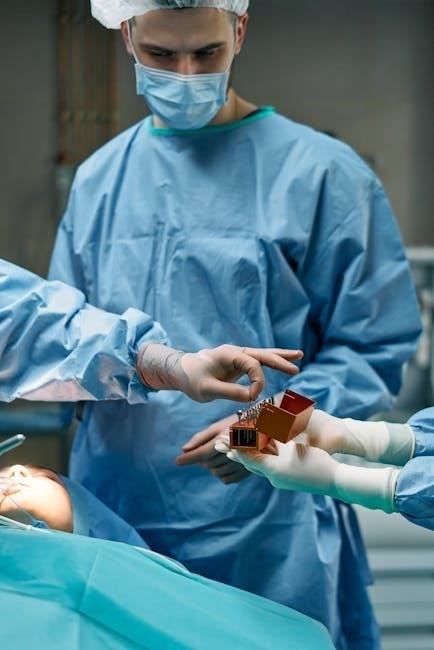
Surgical sutures are vital medical tools used to close wounds, minimizing infection risk and aiding healing. The global market
is projected to reach USD 4,751.7 million by 2024, driven by increasing chronic and age-related conditions.
What are Surgical Sutures?
Surgical sutures are defined as strands used to approximate living tissue for the purpose of wound closure. These medical devices are indispensable in various surgical procedures, ranging from routine skin closures to complex internal repairs. They function by bringing wound edges together, facilitating the natural healing process and reducing the potential for infection.
Sutures aren’t merely threads; they are carefully engineered materials available in diverse compositions – both absorbable and non-absorbable – to suit specific clinical needs. The global surgical sutures market, currently valued at approximately USD 4,751.7 million (as of 2024 projections), reflects the critical role these tools play in modern healthcare. They are essential for dentists, surgeons, and other medical professionals dealing with traumatic or surgical wounds.
Importance of Wound Closure
Effective wound closure is paramount in patient recovery, and surgical sutures are central to achieving this. Properly closed wounds exhibit significantly reduced risks of infection, a critical concern in any surgical setting. Sutures provide mechanical support, aligning tissue edges to promote optimal healing and minimize scar formation.
Beyond infection control, wound closure facilitated by sutures accelerates the healing timeline, reducing patient discomfort and recovery time. This is particularly vital given the increasing prevalence of chronic and age-related conditions driving demand within the USD 4,751.7 million surgical sutures market (projected 2024 valuation). Sutures are fundamental in both surgical and traumatic wound management, ensuring tissue approximation and restoring anatomical integrity.
Historical Overview of Sutures
The history of sutures stretches back millennia, with early forms utilizing natural materials like linen, cotton, and even animal tendons to close wounds. Ancient civilizations demonstrated rudimentary surgical techniques relying on these basic closures. Over centuries, silk gained prominence, becoming a staple in surgical practice due to its strength and availability.
The 20th century witnessed a revolution with the advent of synthetic sutures, offering improved biocompatibility and predictable absorption rates. This innovation fueled growth in the surgical sutures market, now projected at USD 4,751.7 million by 2024. Modern advancements include antimicrobial coatings, like those found in Plus Sutures, further enhancing infection control and patient outcomes, building upon centuries of refinement.
Classification of Surgical Sutures by Material
Sutures are categorized as either absorbable or non-absorbable, utilizing natural materials like silk or collagen, or synthetics like PGA and polypropylene.
Absorbable Sutures
Absorbable sutures are designed to lose tensile strength over time through enzymatic degradation or hydrolysis, eliminating the need for removal. These are broadly divided into natural and synthetic categories. Natural absorbable sutures, historically significant, include silk and collagen-based options, offering variable absorption rates and tissue reactivity.
However, synthetic absorbable sutures, like Polyglactin 910 (PGA), Polyglycolic Acid (PGLA), and Polydioxanone (PDO), have gained prominence due to their predictable absorption profiles, consistent quality, and reduced tissue inflammation. These synthetic options are widely utilized in internal tissues and applications where suture removal is impractical or undesirable, contributing significantly to the expanding surgical sutures market.
Natural Absorbable Sutures (e.g., Silk, Collagen)
Natural absorbable sutures, historically foundational in surgical practice, derive from processed animal tissues. Silk sutures, traditionally obtained from silkworms, offer excellent handling characteristics and knot security but exhibit variable absorption rates and a propensity to incite a more pronounced inflammatory response. Their strength diminishes relatively quickly as the body breaks them down.
Collagen sutures, sourced from bovine or equine tissues, present a more biocompatible option with a slower, more predictable absorption profile. However, they generally possess lower tensile strength compared to silk or synthetic alternatives. While still utilized in specific applications, their market share is diminishing as synthetic absorbable sutures offer superior consistency and reduced tissue reactivity.
Synthetic Absorbable Sutures (e.g., PGA, PGLA, PDO)

Synthetic absorbable sutures represent a significant advancement in wound closure technology, offering predictable absorption rates and enhanced biocompatibility. Polyglactin 910 (PGA), a copolymer of glycolic and lactic acid, is widely used due to its rapid absorption and good tensile strength, suitable for soft tissue approximation.
Polyglycolic Acid (PGLA) exhibits even faster absorption than PGA, making it ideal for tissues healing quickly. Polydioxanone (PDO), possessing the longest absorption time among these, provides extended wound support, often employed in dermal closures. These synthetic options minimize tissue reaction and provide consistent performance, dominating modern surgical practice due to their reliability and reduced complication rates.
Non-Absorbable Sutures
Non-absorbable sutures remain in the body permanently, providing long-term wound support, and are categorized into natural and synthetic types. Silk, a natural non-absorbable suture, historically prominent, offers excellent handling but can elicit a tissue reaction. Cotton, another natural option, possesses good tensile strength but is prone to degradation.
Synthetic non-absorbable sutures, like Nylon, Polypropylene, and Polyester, offer superior strength and minimal tissue reactivity. Polypropylene is particularly noted for its inertness and resistance to infection. These sutures are ideal for tissues requiring permanent support, such as cardiovascular or hernia repairs, ensuring lasting wound integrity and minimizing the risk of dehiscence.
Natural Non-Absorbable Sutures (e.g., Silk, Cotton)
Natural non-absorbable sutures, historically significant in surgery, include Silk and Cotton. Silk, derived from silkworm cocoons, provides excellent handling characteristics and knot security, making it versatile for various surgical applications. However, silk can induce a noticeable inflammatory response in tissues, potentially delaying healing.
Cotton sutures, manufactured from purified cotton fibers, offer good tensile strength and are relatively inexpensive. Despite these advantages, cotton is susceptible to degradation within the body, losing strength over time. Both silk and cotton, while still utilized, are increasingly replaced by synthetic alternatives due to their potential for tissue reactivity and variable performance.
Synthetic Non-Absorbable Sutures (e.g., Nylon, Polypropylene, Polyester)
Synthetic non-absorbable sutures represent a significant advancement in surgical practice, offering predictable performance and reduced tissue reactivity. Nylon sutures, known for their elasticity and high tensile strength, are commonly used for skin closure and cardiovascular surgery. Polypropylene, a remarkably inert material, exhibits minimal tissue reaction and is ideal for vascular anastomosis and hernia repair.
Polyester sutures, such as Ethibond, provide exceptional strength and durability, making them suitable for heavily stressed tissues and orthopedic procedures. These synthetic materials resist degradation within the body, providing long-term wound support. Their consistent quality and reduced inflammatory response make them preferred choices over natural non-absorbable options.
Classification of Surgical Sutures by Structure
Sutures are categorized by their physical form: monofilament (single strand), multifilament (multiple strands), or braided, impacting handling and tissue drag.
Monofilament Sutures
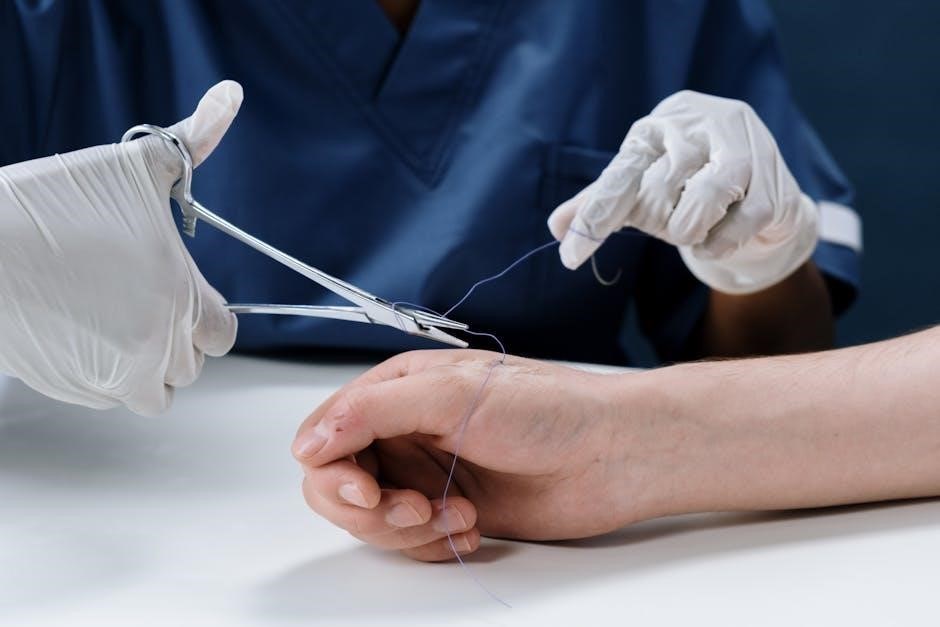
Monofilament sutures consist of a single strand of material, offering several distinct advantages. These sutures exhibit reduced susceptibility to harboring bacteria, minimizing the risk of infection at the surgical site – a crucial benefit in contaminated wounds. Their smooth surface facilitates easier passage through tissues, resulting in less trauma during knot tying and potentially improved cosmetic outcomes;
Common examples include polypropylene and nylon. However, monofilament sutures generally possess less tensile strength compared to multifilament options and can be more prone to slippage, requiring secure knot techniques; Despite this, their ease of handling and lower infection risk make them a popular choice for both skin closure and internal repairs, particularly in situations where infection control is paramount.
Multifilament Sutures
Multifilament sutures are constructed from multiple strands twisted or braided together, providing enhanced tensile strength and knot security compared to monofilament alternatives. This robust construction makes them particularly suitable for tissues under significant tension, such as fascia or tendons, where reliable wound approximation is critical.
However, the inherent structure of multifilament sutures creates microscopic spaces that can harbor bacteria, potentially increasing the risk of surgical site infections. Consequently, they are often coated with antimicrobial agents, like triclosan, to mitigate this concern. Common examples include silk, cotton, and braided synthetic polymers. Careful handling and appropriate surgical technique are essential when utilizing multifilament sutures to minimize infection risks.
Braided Sutures
Braided sutures represent a specific type of multifilament suture, distinguished by their interwoven strand construction. This braiding process enhances knot security and tensile strength, making them ideal for applications requiring prolonged wound support, such as in cardiovascular or orthopedic surgeries. The increased surface area, however, also elevates the potential for bacterial colonization.
Consequently, many braided sutures, like those from Ethicon (Johnson & Johnson Medical), incorporate antimicrobial coatings – such as triclosan – to actively combat infection. Materials commonly used in braided sutures include synthetic polymers like polyglactin 910 (PGA) and polydioxanone (PDO). Surgeons often prefer braided sutures for their handling characteristics and reliable knot tying, despite the need for vigilant infection control protocols.

Specific Types of Surgical Sutures
Specific suture types, including Polyglactin 910, Polyglycolic Acid, Polydioxanone, Polypropylene, Nylon, and Silk, each possess unique properties for varied surgical needs.
Polyglactin 910 (PGA)
Polyglactin 910 (PGA) is a synthetic, absorbable suture widely utilized in general surgery, obstetrics, and gynecology. Composed of 90% glycolide and 10% lactide copolymers, PGA offers excellent tensile strength initially, though it degrades through hydrolysis over 56 to 70 days.
Its relatively rapid absorption makes it suitable for tissues healing quickly. PGA sutures are available in both braided and monofilament forms, offering surgeons versatility. Braided PGA provides superior knot security, while monofilament reduces tissue drag and bacterial colonization.
However, PGA can exhibit some tissue reactivity in certain patients. Plus PGA sutures, coated with triclosan, are available to reduce the risk of surgical site infections, providing an antimicrobial barrier.
Polyglycolic Acid (PGLA)
Polyglycolic Acid (PGLA) represents another prominent synthetic, absorbable suture material frequently employed in various surgical specialties. Similar to PGA, PGLA is a copolymer, though its composition differs, leading to varied absorption rates and handling characteristics. PGLA typically maintains tensile strength for approximately 56-70 days, undergoing hydrolysis for complete absorption within 180-210 days.
PGLA sutures are commonly used for soft tissue approximation and ligation, offering good knot security and handling properties. They are available in braided configurations, enhancing knot reliability. Like PGA, PGLA can sometimes elicit a mild inflammatory response.
Antimicrobial versions, such as those coated with triclosan (like Plus sutures from Ethicon), are available to mitigate infection risks, particularly in contaminated wound closures.
Polydioxanone (PDO)
Polydioxanone (PDO) is a synthetic, absorbable monofilament suture known for its extended tensile strength retention compared to PGA or PGLA. PDO maintains approximately 60-70% of its initial strength after 14 days, and complete absorption typically occurs within 180-210 days via hydrolysis. This prolonged strength makes PDO ideal for use in procedures requiring extended wound support, such as hernia repairs or cardiovascular surgery.
Its monofilament structure minimizes tissue drag and bacterial colonization, reducing the risk of infection. PDO exhibits relatively low tissue reactivity, making it suitable for sensitive patients.
While not typically triclosan-coated, PDO’s smooth surface contributes to a lower infection rate compared to some multifilament options.
Polypropylene
Polypropylene is a non-absorbable, synthetic monofilament suture celebrated for its exceptional tensile strength and minimal tissue reactivity. It’s remarkably inert, making it a preferred choice for cardiovascular and plastic surgery where long-term support is crucial. Unlike absorbable sutures, polypropylene remains permanently in the body, eventually becoming encapsulated by fibrous tissue.
Its smooth surface reduces friction and bacterial adherence, contributing to a lower risk of infection. However, its lack of plasticity can make knot tying slightly more challenging.
Polypropylene is commonly used for continuous closure techniques, offering excellent wound approximation and strength.
Nylon
Nylon, a synthetic, non-absorbable, and typically multifilament suture, offers excellent tensile strength and elasticity. It’s widely utilized in a diverse range of surgical procedures, including skin closure, ophthalmic surgery, and general tissue approximation. Nylon’s inherent elasticity allows for secure knot tying and adapts well to tissue movement.
However, its multifilament structure can harbor bacteria, potentially increasing the risk of surgical site infections. To mitigate this, coated nylon sutures are often preferred.
Nylon’s strength retention over time makes it suitable for applications requiring prolonged wound support.
Silk
Silk, a natural, non-absorbable suture derived from silkworm cocoons, has a long history in surgical practice. It presents as a braided suture, offering excellent handling characteristics and knot security. Historically, silk was a mainstay for many surgical applications, including general soft tissue approximation and ligation.
However, silk’s significant drawback is its relatively high tissue reactivity, potentially leading to inflammation and prolonged healing times. Furthermore, its braided structure can serve as a nidus for bacterial colonization, increasing infection risk.
Despite these limitations, silk remains useful in specific scenarios where its unique properties are advantageous.
Surgical Sutures and Infection Control
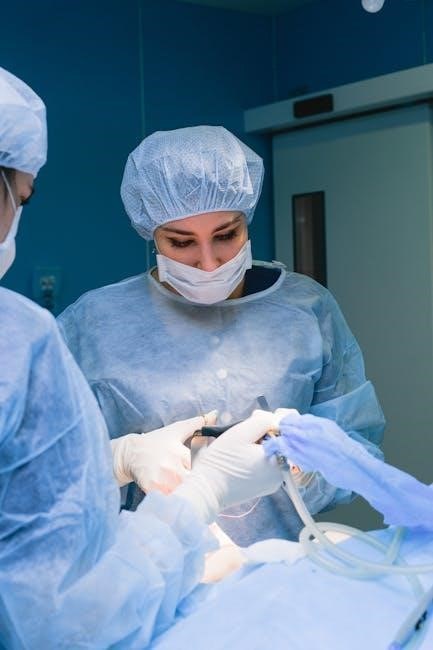
Infection control is crucial; sutures like Plus Sutures utilize triclosan, an antimicrobial agent, to reduce surgical site infections effectively.
Triclosan-Coated Sutures (e.g., Plus Sutures)
Plus Sutures, manufactured by Ethicon (Johnson & Johnson Medical), represent a significant advancement in surgical suture technology. These synthetic, absorbable sutures are uniquely impregnated or coated with triclosan (Irgacare MP), a purified, medical-grade antimicrobial agent. This coating provides a sustained release of triclosan directly into the wound site.
The primary benefit of triclosan-coated sutures is their ability to actively combat bacterial colonization, thereby reducing the incidence of surgical site infections (SSIs). SSIs are a major concern in healthcare, contributing to increased morbidity, prolonged hospital stays, and higher treatment costs. By inhibiting bacterial growth, Plus Sutures offer an additional layer of protection, particularly in contaminated or complex wounds.
The use of triclosan in these sutures aims to minimize the bacterial load, supporting the body’s natural healing processes and improving patient outcomes.
Antimicrobial Properties of Sutures
Antimicrobial sutures represent a proactive approach to infection control in surgical procedures. Traditional sutures, while effective for wound closure, provide a surface for bacterial colonization, potentially leading to surgical site infections (SSIs). Sutures like Plus Sutures, incorporating triclosan, directly address this concern.
Triclosan, a purified medical-grade antimicrobial, disrupts bacterial cell walls and inhibits their growth. This sustained release of the agent around the suture line creates a localized antimicrobial environment, reducing bacterial burden and minimizing the risk of SSI. The effectiveness stems from preventing biofilm formation, a common defense mechanism of bacteria.
These specialized sutures are particularly beneficial in contaminated wounds or procedures with a higher risk of infection, offering an added layer of protection beyond standard sterile techniques.
Reducing Surgical Site Infections
Minimizing surgical site infections (SSIs) is paramount in patient care, and suture selection plays a crucial role. Beyond antimicrobial-coated sutures, meticulous surgical technique remains foundational. Proper wound preparation, including thorough cleansing and irrigation, reduces initial bacterial load.
Employing appropriate suture material based on wound tension and tissue type optimizes closure and minimizes dead space where bacteria can thrive. Careful handling of sutures, avoiding contamination during knot tying, is essential. Post-operative wound care instructions, emphasizing cleanliness and monitoring for infection signs, empower patients.
The integration of antimicrobial sutures, like triclosan-coated options, offers an adjunctive strategy, particularly in high-risk cases, complementing established SSI prevention protocols for enhanced patient outcomes.
Market Trends in Surgical Sutures (2024-2033)
The surgical suture market anticipates substantial growth, reaching USD 4,751.7 million by 2024, fueled by rising chronic disease prevalence and aging populations.
Global Market Valuation and Growth
The global surgical sutures market is experiencing a period of significant expansion, currently valued at a substantial level and projected for continued growth throughout the forecast period of 2024-2033. Current estimations place the market valuation at USD 4,751.7 million as of 2024, demonstrating a robust and increasing demand for these essential medical devices. This growth isn’t merely incremental; it represents a dynamic shift driven by several key factors.
These factors include the rising incidence of chronic diseases, an aging global population requiring more surgical interventions, and advancements in suture technology itself. The increasing volume of surgical procedures performed worldwide, coupled with a growing emphasis on minimally invasive techniques, further contributes to this positive market trajectory. Regional variations in growth are also anticipated, with emerging economies expected to exhibit particularly strong demand.
Key Drivers of Market Expansion
Several interconnected factors are fueling the expansion of the surgical sutures market. A primary driver is the increasing prevalence of both chronic and age-related diseases globally, necessitating a higher volume of surgical procedures. The growing geriatric population, particularly in developed nations, contributes significantly to this demand, as older individuals often require more frequent medical interventions.
Furthermore, advancements in suture technology, including the development of antimicrobial-coated sutures like Plus Sutures, are enhancing patient outcomes and driving adoption. The rising trend towards minimally invasive surgeries also boosts suture demand, as these procedures often require specialized suture types. Finally, increased healthcare expenditure and improved access to healthcare services in emerging economies are playing a crucial role in market growth.
Regional Market Analysis
North America currently dominates the surgical sutures market, owing to its well-established healthcare infrastructure, high healthcare expenditure, and significant presence of key market players. However, the Asia Pacific region is anticipated to exhibit the fastest growth rate during the forecast period (2024-2033).
This rapid expansion in Asia Pacific is driven by factors such as a large patient pool, increasing disposable incomes, and improving healthcare access in countries like China and India. Europe represents a substantial market, characterized by a strong focus on innovation and advanced medical technologies. Latin America and the Middle East & Africa are also expected to witness moderate growth, fueled by rising healthcare awareness and government initiatives to improve healthcare services.
End-User Segments for Surgical Sutures
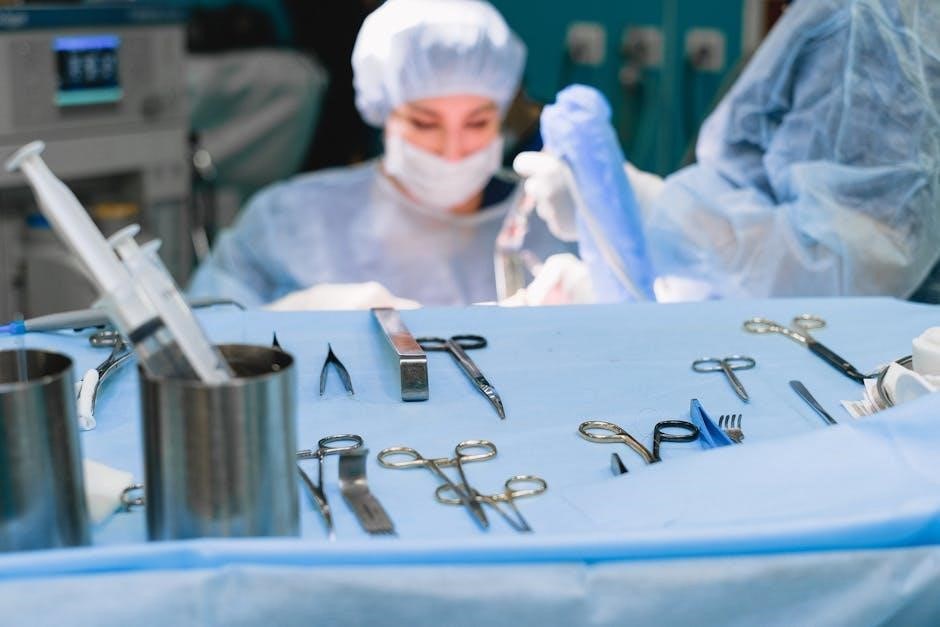
Hospitals are the leading end-users, holding a substantial market share due to their pivotal role in performing a high volume of surgical procedures.
Hospitals
Hospitals represent the largest and most significant end-user segment within the surgical sutures market, consistently accounting for a substantial portion of overall revenue. This dominance stems from the sheer volume of surgical procedures performed within hospital settings, encompassing a broad spectrum of specialties like general surgery, orthopedics, cardiovascular surgery, and neurosurgery.
These facilities require a diverse and readily available supply of various suture types – absorbable, non-absorbable, monofilament, and multifilament – to cater to the unique demands of each surgical intervention. Hospitals also benefit from bulk purchasing power, negotiating favorable pricing with suture manufacturers. Furthermore, the increasing number of surgical procedures globally, driven by an aging population and advancements in medical technology, directly translates to heightened suture demand within hospital environments.
Ambulatory Surgical Centers
Ambulatory Surgical Centers (ASCs) are rapidly emerging as a crucial end-user segment in the surgical sutures market, demonstrating significant growth potential. These centers offer a cost-effective alternative to traditional hospital settings for a wide range of elective and outpatient procedures, including orthopedic surgeries, cosmetic procedures, and pain management interventions.
The increasing preference for minimally invasive surgeries, often performed in ASCs, fuels the demand for specialized sutures like polydioxanone (PDO) and polyglactin 910 (PGA). ASCs prioritize efficiency and quick patient turnover, necessitating a streamlined supply chain and readily available suture options. As the volume of procedures performed in ASCs continues to rise, their contribution to the overall surgical sutures market is expected to expand considerably.
Clinics
Clinics, encompassing dermatology, plastic surgery, and specialized medical practices, represent a significant, though often fragmented, end-user segment within the surgical sutures market. These facilities frequently perform minor surgical procedures, wound closures following biopsies, and aesthetic treatments, driving demand for specific suture types.
Clinics often favor sutures offering cosmetic benefits, such as monofilament polypropylene for minimal scarring, or rapidly absorbable sutures like PGA for convenience. The need for infection control is paramount, leading to increased adoption of triclosan-coated sutures like Plus Sutures. The decentralized nature of clinics necessitates accessible distribution networks and a diverse product portfolio to cater to varying procedural needs and practitioner preferences, contributing to market dynamism.